
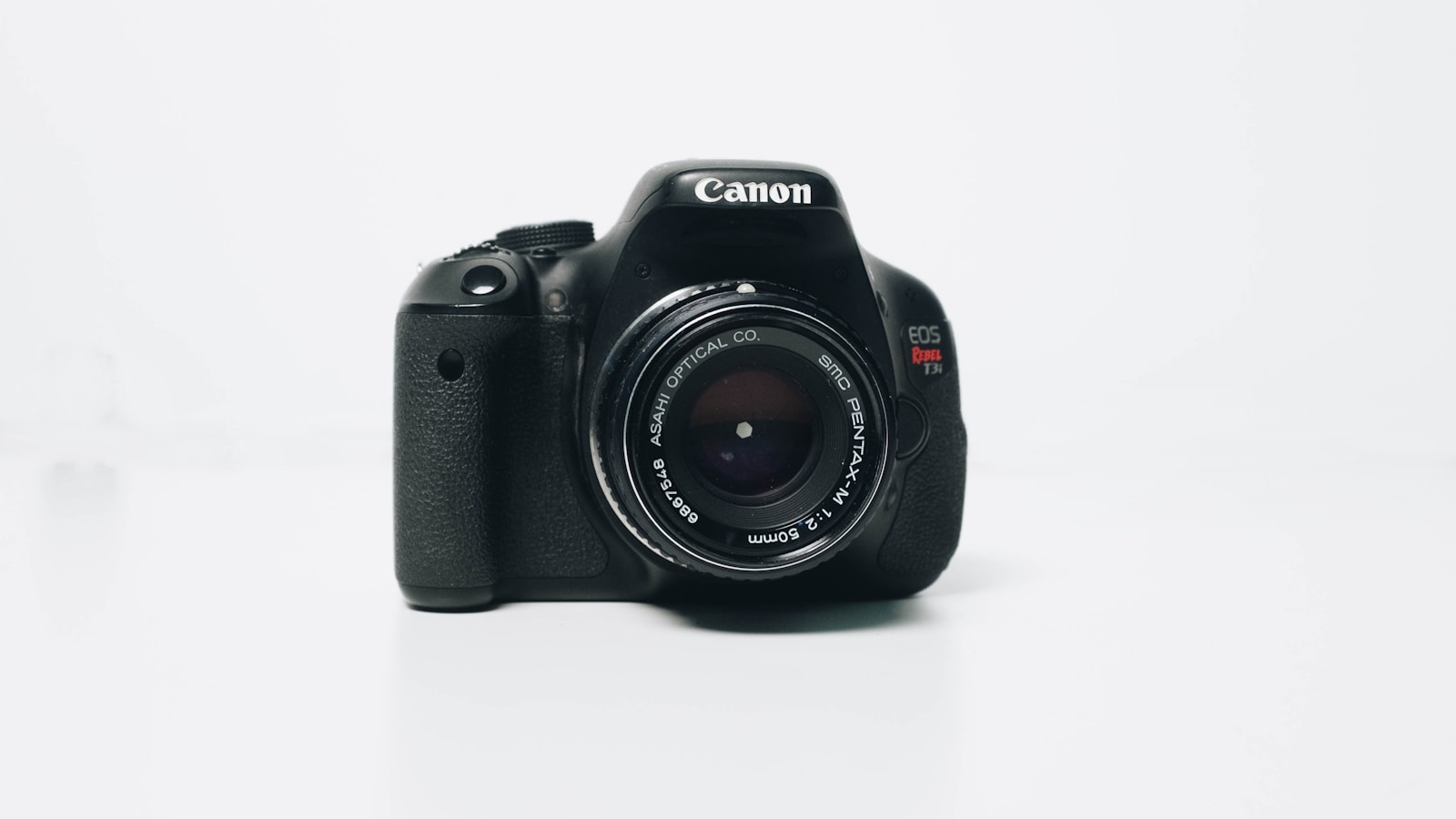
Want a guide to photography that doesn't drown in jargon? Here's the practical, beginner-friendly version for 2026 — phone or camera — covering composition, light, the exposure triangle and the only gear that genuinely matters.
Phone or camera?
2026 phones (iPhone 16 Pro, Pixel 9 Pro, Samsung S25 Ultra) match or beat entry-level cameras for 80% of scenarios. Get a real camera if:
- You want full control over depth of field.
- You shoot in low light + need clean high ISO.
- You want serious telephoto reach (sports, wildlife).
- You'd actually carry it (most don't, then regret the spend).
Best beginner cameras (if you go that route)
- Fujifilm X-T30 II / X-S20 — gorgeous JPEGs, fun to use.
- Sony ZV-E10 II — best video + photo combo for new creators.
- OM System OM-5 — small, weather-sealed, great lens ecosystem.
- Used Canon R10 / R50 — good if you have legacy Canon glass.
- Skip full-frame as your first camera. Too heavy, too expensive, too much to learn.
The 6 rules of composition
1. Rule of thirds
Mentally split the frame into 9 parts. Place key subjects on the lines / intersections, not dead-centre. Most phones can show this grid in settings.
2. Leading lines
Use roads, rivers, fences, shadows that pull the eye toward the subject.
3. Frame within a frame
Doorways, windows, branches. Adds depth + draws focus.
4. Negative space
Don't fill the frame. Empty sky / wall / road can make a subject sing.
5. Get close (or really far)
Beginner photos are usually shot from "standing height with default lens". Crouch, climb, walk closer, walk further. The angle is the photo.
6. Watch the background
Boring photos often have something visually loud behind the subject. Move 30 cm. Different photo.
Light is everything
- Golden hour (first hour after sunrise, last hour before sunset): warm, soft, magic.
- Blue hour (15-30 min after sunset): moody, balanced, great for cityscapes.
- Overcast days: surprisingly great — natural softbox.
- Harsh midday sun: usually worst light. Either embrace contrast or wait.
The exposure triangle (camera-only basics)
Aperture (f-stop)
How wide the lens opens. Lower number = more light + blurrier background. f/2.8 for portraits, f/8-11 for landscapes.
Shutter speed
How long the sensor sees light. Faster freezes motion (1/1000s for sports). Slower lets light in but motion blurs (1/30s and below).
ISO
Sensor sensitivity. Lower = cleaner image. Crank it up only when you've maxed aperture + shutter and still need more light.
Practical recipes
- Portrait outdoors: f/2.8, 1/200s, ISO 100-200.
- Landscape: f/8-11, 1/125s, ISO 100.
- Indoor low light: f/2.8, 1/60s, ISO 1600 if needed.
- Sports / kids: f/4-5.6, 1/1000s, ISO whatever it takes.
Phone photography essentials
- Tap to focus, slide to adjust exposure.
- Use the 1× or 2× lens (avoid digital zoom).
- Shoot in RAW if your phone supports it (allows real edits).
- Use Portrait mode wisely — it can over-blur.
- Clean the lens with a microfibre cloth before shooting.
Editing without overdoing it
- Slight contrast bump, slight shadow lift, careful saturation.
- Pick a colour palette and stay consistent.
- Crop ruthlessly — sometimes the photo is hiding inside the photo.
- Don't fix bad photos. Re-shoot.
Recommended apps: Lightroom Mobile (free or €5/month), Snapseed (free), VSCO (clean filters), Darktable (desktop, free).
Practical assignments to learn fast
- One subject, 30 photos: shoot the same coffee cup from 30 different angles. Forces creativity.
- Walk + 36-frame challenge: shoot only 36 photos in a 1-hour walk. Forces selection.
- Light study: photograph the same place every hour for a day. Watch what light does.
- 10-day project: one theme for 10 days. Doors. Reflections. Strangers. Shadows. Forces seeing.
Avoid the gear trap
Every photographer chases new gear. The truth: a great photographer with a phone beats a beginner with a €5,000 setup. Spend money on:
- Print one photo a month at A3. Hang it. Observe.
- One book of an iconic photographer (Cartier-Bresson, Saul Leiter, Vivian Maier).
- One photo walk with someone better than you.
- One short workshop or online course.
That budget builds skill. New lenses don't.
The 30-day starter plan
- Days 1-7: shoot 20+ photos a day. Don't worry about quality.
- Days 8-14: review every photo. Pick your 5 best. Notice why.
- Days 15-21: redo a similar walk. Apply what you noticed.
- Days 22-30: pick a project (doors / shadows / portraits). Build a small body of work.
The bottom line
The guide to photography that actually levels you up: shoot every day, study light, edit subtly, ignore gear envy, build small projects. Within 90 days your photos will look noticeably different. Within 12 months people will ask which camera you use — and you'll laugh, because the camera was the least of it.