
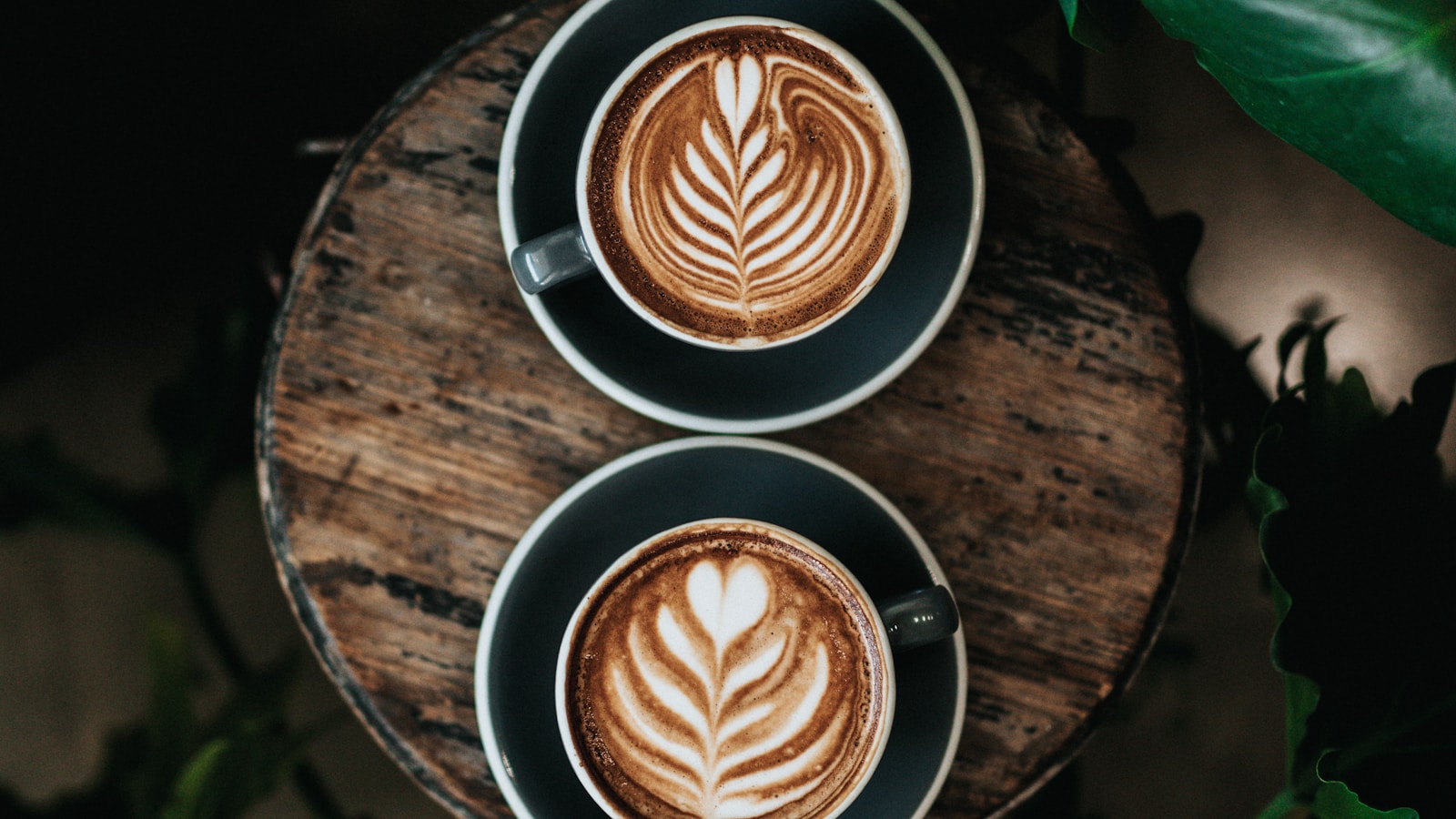
You can make café-quality coffee at home in 2026 without a €1,000 espresso machine. The variables that matter — beans, grind, ratio, water — are mostly free. The brewing methods that produce excellent results are mostly cheap. The five recipes below cover almost every coffee style you would order out, with realistic gear, in actual home kitchens.
The variables that actually move the cup
In rough order of impact:
- Bean freshness. Coffee tastes best 7–28 days off the roast date. Supermarket "fresh" beans usually are not. Buy from a roaster. Use within a month.
- Grind size and consistency. A burr grinder (manual or electric) at €40–€150 produces bigger improvements than any machine upgrade.
- Coffee-to-water ratio. 1:15 to 1:17 by weight is the universal starting point.
- Water temperature. 92–96°C. Boiling water lets bitterness through.
- Time. Each method has its window. Skipping the timer leaves you guessing.
Get those five right and any halfway-decent brewer produces excellent coffee.
Recipe 1 — Pour-over (V60 or Kalita Wave)
The coffee nerd's daily driver. Cleanest cup; reveals the bean's character.
- 20 g coffee, medium-fine grind (slightly finer than table salt).
- 320 g water at 94°C.
- Bloom: pour 50 g water, swirl, wait 30 seconds.
- Pour the rest in 2 or 3 stages, ending around 3:00.
- Total time: 3:00–3:30. Drawdown shouldn't take longer than another 30 seconds.
Best for: light to medium roasts, single-origin beans, mornings when you want something delicate.
Recipe 2 — AeroPress (the inverted method)
The most flexible brewer ever made. Forgiving, fast, transportable.
- 15 g coffee, medium grind.
- 220 g water at 88–92°C.
- Inverted setup, pour all the water, stir 5 times.
- Steep 1:30. Plunge slowly over 30 seconds.
Result: a cup somewhere between a French press and a pour-over. Easy clean-up, excellent for travel, surprisingly capable of espresso-style concentrate with the right ratio (1:6, finer grind).
Recipe 3 — French press (the unfairly maligned)
Ignored by serious coffee snobs, beloved by people who actually drink coffee at home for years. Bold body, full flavour, two minutes of attention.
- 30 g coffee, coarse grind.
- 500 g water at 96°C.
- Pour, stir gently after 1 minute, lid on but plunger raised.
- Total steep: 4 minutes.
- Plunge slowly. Pour immediately so it does not over-extract.
Best for: medium-to-dark roasts, breakfast for two, evenings with a book.
Recipe 4 — Moka pot (the stovetop classic)
The Italian household ritual. Strong, espresso-adjacent coffee for the price of a coffee shop's tip jar.
- Fill the bottom chamber to just below the safety valve.
- Fill the basket with fine-grind coffee, level but do not tamp.
- Assemble. Place on medium-low heat with the lid open.
- When you hear the gurgle and the colour lightens to pale brown, take it off the heat. Run the base under cold water briefly to stop extraction.
The caffè latte built from a moka pot plus steamed milk (or even hand-frothed milk in a French press) is excellent and dramatically cheaper than most café equivalents.
Recipe 5 — Cold brew (the prep-once-drink-all-week)
The summer mainstay. Smooth, low-acid, ready in the morning.
- 100 g coarsely ground coffee.
- 1 litre cold or room-temp water.
- Combine in a large jar. Stir to wet all the grounds. Cover.
- Steep at room temperature for 12 hours, or in the fridge for 18–24 hours.
- Strain through a fine sieve, then again through a coffee filter.
Result: a concentrate that lasts a week in the fridge. Dilute 1:1 with cold water or milk.
The gear that earns its place
- Electric kettle with temperature control: €50–€100. Genuinely transformative for pour-over.
- Burr grinder: manual (Timemore C2 / 1Zpresso JX-Pro at €60–€150) or electric (Baratza Encore ESP at €170). Skip blade grinders entirely.
- Kitchen scale: €15. Coffee is chemistry. Volume measurements lie.
- One brewer of your choice: Hario V60 (€10), AeroPress (€35), French press (€20), moka pot (€25). Total kit cost: under €250.
You do not need an espresso machine to make excellent coffee at home. The five methods above cover virtually every drink you would order out.
The espresso question
Real espresso requires a quality grinder (€300+) and a real machine (€500–€2,000+). The economics make sense if you drink 3+ espresso-based drinks daily. For most households, the AeroPress 1:6 method or the moka pot produces a coffee strong enough to build the latte / cappuccino / Americano you actually want — at a fraction of the cost and counter space.
Milk drinks without a steam wand
- Hand frother (€10) + warm milk = decent latte foam.
- French press = pump 30 seconds vigorously for surprisingly good cappuccino-style microfoam.
- Bialetti / Nespresso milk frothers (€60–€120) = the closest non-espresso machine experience.
Bottom line
The best home coffee recipes in 2026 do not require a €1,000 machine. A burr grinder, a kettle, a kitchen scale, and one brewer of your choice produce daily coffee that beats most cafés on the corner. Pour-over for delicate mornings; AeroPress for travel and forgiving brewing; French press for boldness; moka pot for espresso-style strength; cold brew for summer. Buy from a real roaster, weigh your dose, control the water temperature, and the rest of café-quality coffee is no mystery — just routine.