
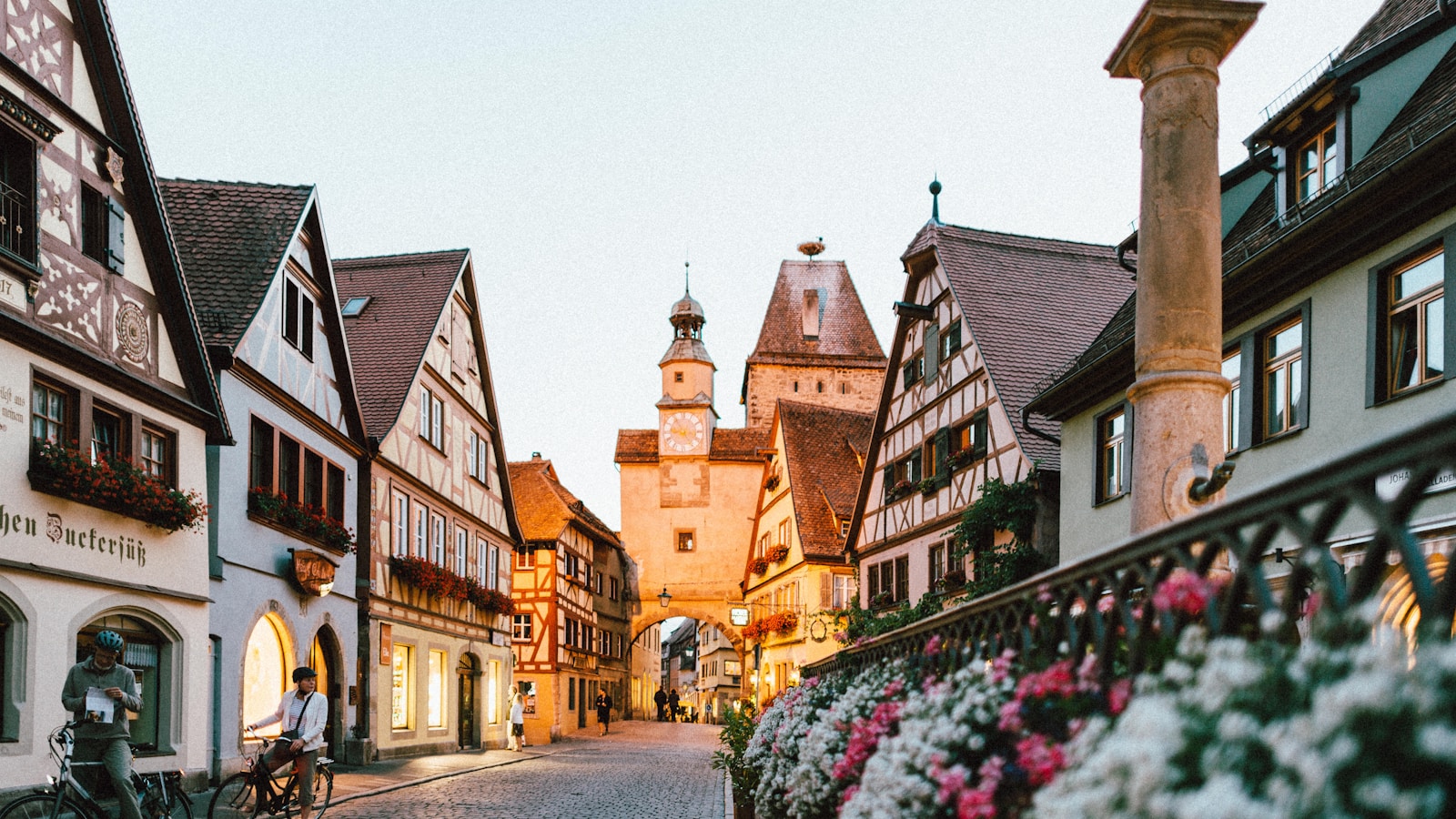
The math on a European city for a long weekend in 2026 is simple. You have 72–84 hours, you do not want to spend them in a rental car or on connecting flights, and you would like to come home with photos of food rather than airports. After a year of running this exact format from various base cities, here is the short list of places that earn the trip — plus a few that the internet keeps recommending and that I would skip.
What makes a long weekend actually work
- You can land, drop bags, and be at dinner inside 90 minutes.
- The historic centre is walkable end to end in under 45 minutes.
- One reliable public-transport line covers the rest.
- You do not need a reservation for every meal.
- The flight or train back is realistically catchable on Sunday evening or Monday morning.
Notice what is missing from that list: "must-see attractions." For a long weekend, the city itself is the attraction. Pick a place where wandering is the activity, not a rushed museum binge.
Best long-weekend cities in Europe for 2026
1. Lisbon — best for first-timers
Compact, photogenic, food culture is in a golden era, and the airport is a 15-minute taxi from the centre. Three nights covers Alfama, the Tagus waterfront, a day trip to Sintra by train (€5 round trip), and at least two excellent dinners under €40 a head with wine. Climbs are real — pack proper shoes, not the white sneakers you bought for Instagram.
2. Porto — better than Lisbon if you are coming back
If you have already done Lisbon, Porto is the smarter second visit. Smaller, slower, and the riverfront is unmatched. Add a half-day in the Douro valley if you can stretch to a fourth day. Otherwise: bookshops, port-tasting, and the bridge views.
3. Copenhagen — best for design / food
Expensive, yes, but every euro you spend is on something good. The metro is excellent, the city is bike-flat, and the Nordic culinary scene that everyone talked about ten years ago has matured into something genuinely sustainable. Three days, one Michelin-priced dinner, two casual ones, lots of walking through Nørrebro and Christianshavn.
4. Krakow — best for value
Still 30–40% cheaper than Western Europe in 2026, with a centre that feels like a film set and food culture that has finally caught up. Auschwitz day trip if you have the emotional bandwidth (the trip is sobering and important; do not treat it as tourism). Otherwise the Old Town and Kazimierz fill three days easily.
5. Seville — best for sun in early or late season
Avoid June–August when it hits 40°C and the city becomes a slow-cooker. April or October are the windows. The flamenco scene is alive in the small bars off the tourist track, the food is generous, and the Real Alcázar is worth booking ahead. Three days plus a half-day in Cádiz or Cordoba.
6. Bologna — best for food per square metre
Florence gets the headlines; Bologna does the cooking. Smaller, less crowded, easier to walk, and home to some of the most generous lunches you will ever encounter. The food market under the porticos at Mercato di Mezzo deserves an entire afternoon. Three days, three pasta lunches, no regrets.
7. Edinburgh — best for atmosphere
Skip the Festival weeks unless you specifically came for them; the rest of the year, Edinburgh is one of the most walkable, photogenic, and pleasantly small capital cities in Europe. A short rental car for a Highlands day trip rounds out the weekend, but you do not strictly need one — even a one-day train to Stirling or North Berwick works.
8. Valencia — best for beach + city
Often overlooked in favour of Barcelona, which is its loss. The historic centre is walkable, the City of Arts and Sciences is the genuinely impressive sci-fi backdrop everyone takes the same photo of, the paella is non-negotiable (have it at lunch, never dinner — that is the rule), and the beach is two metro stops away. Cheaper and calmer than Barcelona too.
9. Tallinn — best for a quirky off-season weekend
The medieval centre is small enough to walk in 30 minutes and weird enough to keep your attention for three days. Pair it with a one-day ferry to Helsinki if you want a "two countries in a weekend" line for the family group chat. Excellent value through the spring and autumn.
10. Ljubljana — best for "I have not been there before"
Slovenia's capital is small, river-running, and inexpensive, with Bled and Bohinj as drive-out options if you are doing four days. The whole country is the size of one big region, and you can taste a good chunk of it in a long weekend.
Cities I would skip for a long weekend (and what to do instead)
Paris
Three days is too short for Paris. You will spend half of it in Métro tunnels and queues, and you will leave irritated. Save it for a 5–7 day trip. For a long weekend, go to Bordeaux, Bologna, or Brussels instead.
Amsterdam
The centre is overrun in a way that makes the city's actual charm hard to find. The neighbourhoods (De Pijp, Jordaan, NDSM) are still good, but it takes more than three days to get out of the museum-quarter loop. Try Rotterdam or Utrecht for the same flavour with less of the queue.
Barcelona
Fine if you have been before; brutal if it is your first time and you only have three days. The crowds are real. The hotels are pricey. Substitute Valencia or Bilbao.
Rome
The same problem as Paris. Add the August heat. Save Rome for a proper week.
How to actually plan the weekend
- Land Friday afternoon, dinner that night, no plans.
- Saturday: one big "anchor" activity in the morning (a market, a viewpoint, a museum), then leave the rest of the day open. Wandering finds the good stories.
- Sunday: a half-day trip out of the centre (a nearby town, a wine region, a beach) and back for dinner.
- Monday: a slow morning, one last meal, head home by mid-afternoon.
Resist the urge to fill the calendar. The fastest way to ruin a long weekend is to schedule six things a day and end up exhausted by Saturday lunch.
The booking habits that save real money
- Book flights 2–3 months out for European weekends; the discount window beyond that is mostly mythical in 2026.
- Tuesday or Wednesday departures are 15–25% cheaper than Friday departures. Take the time off if your job allows it.
- Use Skyscanner's flexible-airport search — flying into a city's secondary airport often saves more than a fancy hotel costs.
- Book one anchor restaurant per weekend, leave the rest spontaneous. The restaurant you find by walking past is almost always the best meal.
Bottom line
The best European cities for a long weekend in 2026 are the ones that fit your weekend, not the ones with the most famous landmarks. Lisbon, Porto, Krakow, Bologna, and Valencia are the safest bets for a first long weekend. Skip the megacities until you can give them a full week. Pack lighter than you think you need, plan one anchor a day, and let the city decide the rest.