
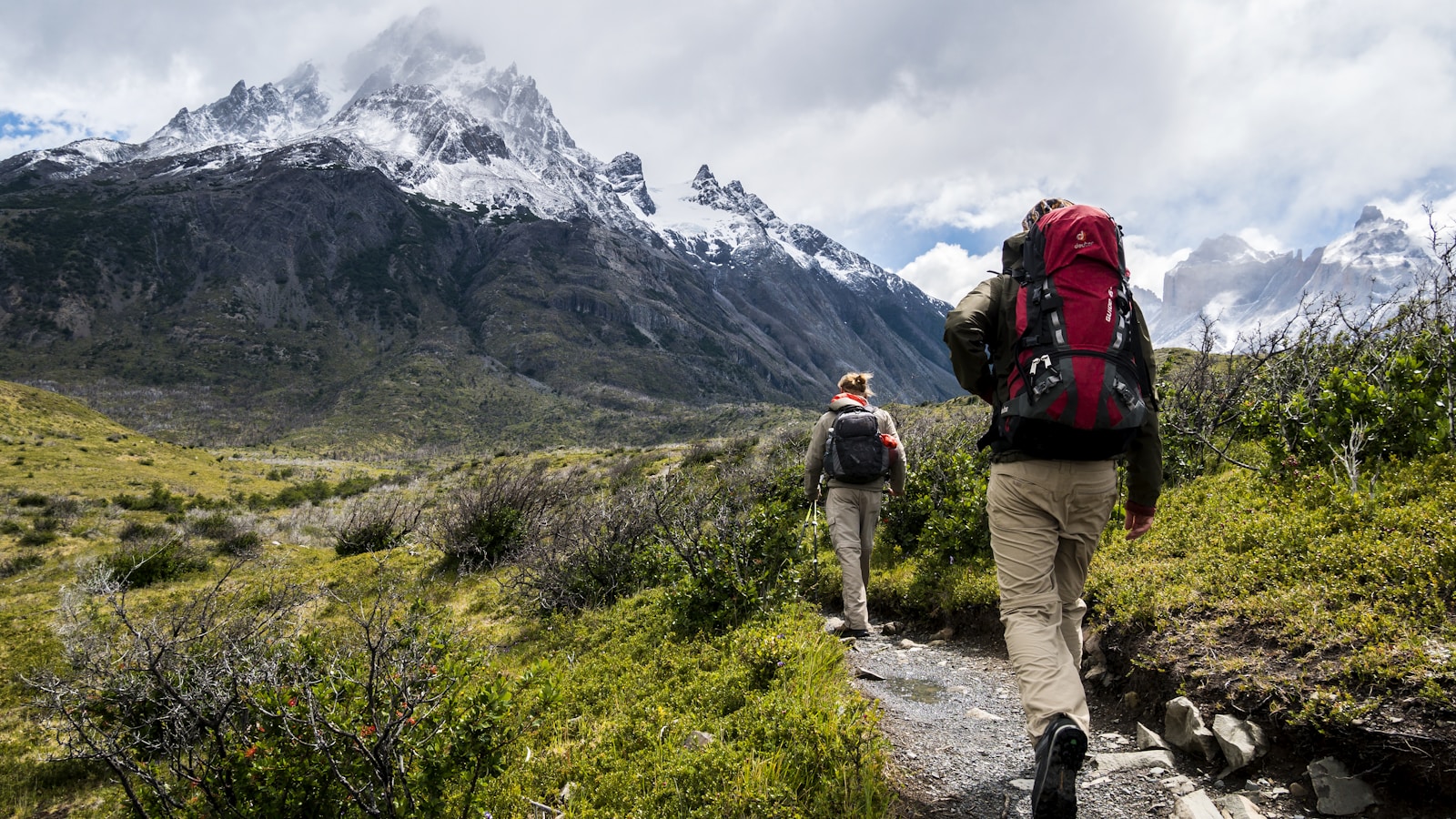
Europe's best hiking trails in 2026 range from the world-famous Tour du Mont Blanc — increasingly busy and reservation-heavy — to underrated multi-day routes that few non-locals walk. The right trail for you depends as much on what you want from the experience (wilderness, food, hut culture, geology, solitude) as on raw difficulty. Here is the working list, hand-walked.
Multi-day classics worth their reputation
1. Tour du Mont Blanc — 170 km, 11 days
The hub of European hut hiking. France, Italy, Switzerland in a loop around the Mont Blanc massif. Civilised — every night in a hut or village with hot food and a bed. The downside: now requires advance bookings 6–9 months out for many sections in summer. Late June and September are calmer.
2. Walker's Haute Route — Chamonix to Zermatt, 200 km
The "alternative" alpine traverse. Tougher than the Tour du Mont Blanc, fewer crowds, more remote feeling. 11–14 days; serious mountain experience required. The classic for hikers who want the alps without the queues.
3. GR20 — Corsica, 180 km
Often called Europe's hardest long-distance trail. Granite ridges; demanding terrain; 16 days; basic refuges only. Best done in mid-June to mid-September. Not for first-time multi-day hikers; for seasoned ones it is among the best in Europe.
4. The Camino Francés — 780 km
The Spanish pilgrim trail. Easier underfoot than the alpine routes, more cultural, more social. 5–6 weeks for the full route from Saint-Jean-Pied-de-Port to Santiago de Compostela. Many hikers do shorter sections (the last 100 km from Sarria) over 7 days.
5. Laugavegur — Iceland, 55 km
Four to five days through some of the most otherworldly landscape in Europe — geothermal fields, glacial valleys, black-sand deserts. Huts plus camping. The window is short (mid-July to mid-September); book ahead.
The underrated multi-day routes
6. The Alta Via 1 — Dolomites, 150 km, 10–12 days
The Italian Dolomites at their dramatic best. Refuges every 4–6 hours of walking; excellent food (this is Italy); spectacular views without the technical demand of the Walker's Haute Route. The right pick for hikers who want the alps with better dinner.
7. Rota Vicentina — Portugal, ~230 km
The Atlantic-facing southwest of Portugal. Cliffs, secluded coves, fishermen's paths. Two parallel trails (the Historical Way and the Fishermen's Trail) with daily transfers. April–May or September–October are perfect.
8. The Westweg — Black Forest, Germany, 285 km
One of Germany's best long-distance trails. Forest-and-meadow walking, classic German hut culture, excellent food. Less famous internationally than the alpine routes; just as rewarding for a different kind of trip.
9. The Lycian Way — Turkey, 540 km
Mediterranean coastline, ancient ruins, sections of forest and mountain. Best done in segments; the full route is 30+ days. Spring and autumn — summer is too hot.
10. The Carpathian Range — Romania
The most-affordable, least-crowded mountain hiking in Europe. The Făgăraș Mountains, the Retezat, the Apuseni — all genuinely spectacular and rarely on Western European radars. Mountain huts (cabane) are basic but functional.
Day hikes worth a flight
1. The Cinque Terre coastal trail — Italy
The five-villages walk. 12 km if you do all five towns. Closures and crowds vary; check the season.
2. The Sentiero degli Dei — Amalfi Coast, Italy
"Path of the Gods." 8 km of cliff-edge walking from Bomerano to Positano. Late April or October.
3. The Cliffs of Moher Coastal Walk — Ireland
20 km from Doolin to Liscannor. Most people only see the Cliffs from the visitor centre; the full walk is in a different league.
4. The Plitvice Lakes — Croatia
Not strenuous; visually unmatched. Boardwalks over turquoise water through cascading waterfalls. Crowds are real; first or last 90 minutes of the day are calmer.
5. Marmolada and Sassolungo — Dolomites
Single-day routes among the most photogenic in the Alps. Many start from cable cars to skip the elevation gain.
6. Triglav National Park — Slovenia
Day-hike options around Bled or Bohinj that rival the better-known alpine destinations at fraction of the crowd.
Practical planning for any of these
The right gear
- Boots that fit perfectly — broken in over at least 50 km before the trip.
- Layered clothing for variable weather; no cotton.
- Reliable rain protection. Even in summer, alpine weather pivots.
- Good socks (merino wool); spares.
- Pack weight under 10 kg total for hut-to-hut routes; under 13 kg for tented.
- Maps and navigation — phone with offline mapping (Maps.me, Komoot, Outdooractive); paper map as backup.
Booking advance
- Tour du Mont Blanc and Alta Via 1 huts: 6–9 months out.
- GR20 refuges: 4–6 months.
- Iceland's Laugavegur: 6+ months out.
- Most other routes are flexible if walked in shoulder season.
Fitness
The popular trails assume you can hike 6–8 hours a day with elevation gain for multiple consecutive days. If you have not done 25 km in a day in the previous 6 months, build up before the trip. The first day is usually fine; days 4–7 reveal the underprepared.
The trails I would politely skip
- Trolltunga in peak season — overcrowded; the photo is everywhere.
- The Camino in July — heat plus the busiest stretch of the route. Better in May or September.
- The Tour du Mont Blanc in August — crowd density makes the experience much worse. June or September.
Bottom line
The best European hiking trails in 2026 are still the famous ones, plus a strong shoulder-list of underrated multi-day routes (Alta Via 1, Rota Vicentina, Westweg, Carpathians) that have not yet been overrun. Pick by what you want — wilderness, refuges, food culture, geology — book early for the headline routes, and travel in shoulder seasons. Skip the peak-summer crush. Europe has more good hiking than any other continent per square kilometre; the only mistake is not getting out and walking it.