
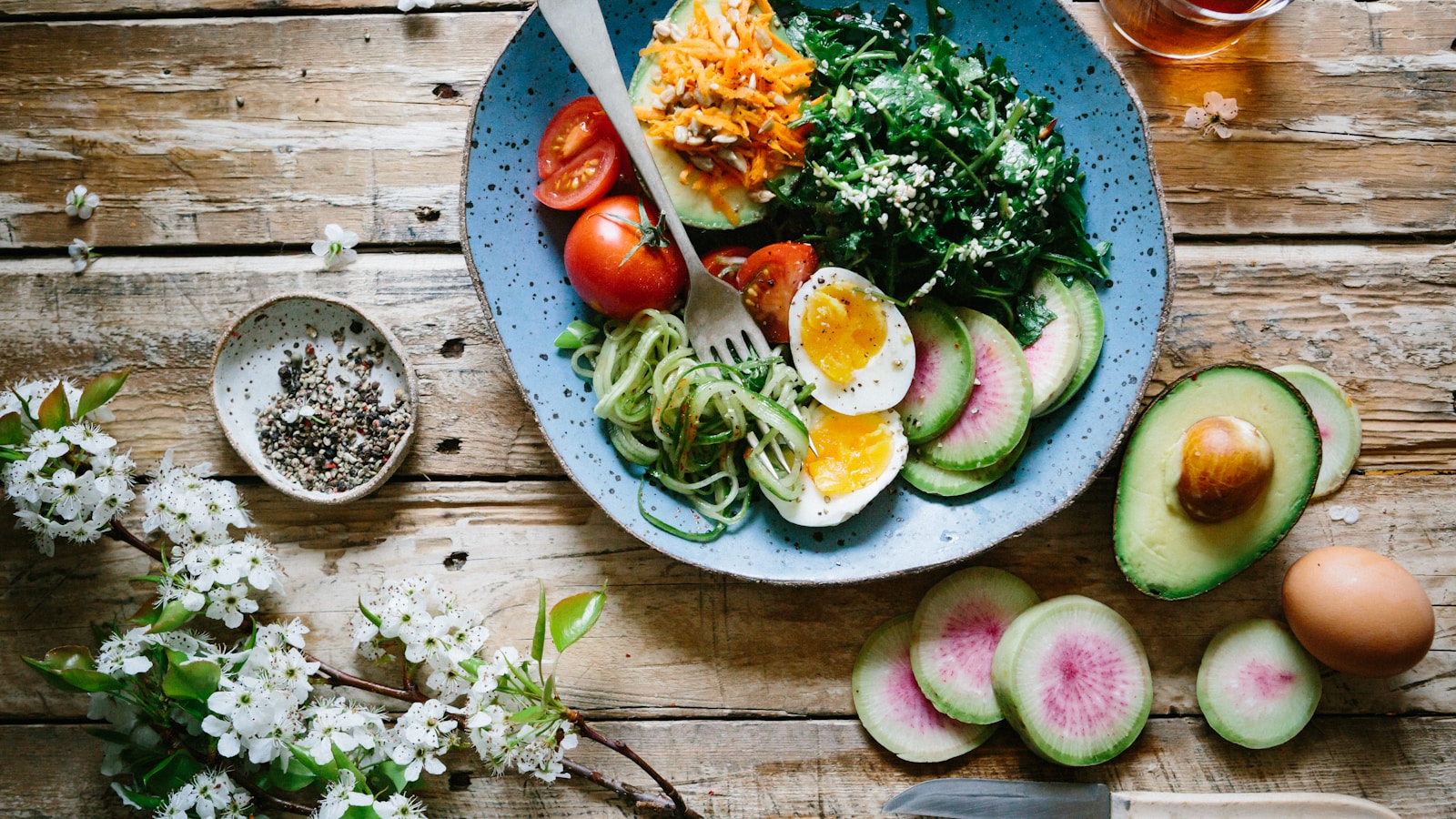
The phrase foods for brain health is overused, but the science behind a few dietary patterns is solid. The MIND diet, a hybrid of Mediterranean and DASH eating styles, has consistently shown reduced rates of cognitive decline. Here is the practical, no-supplement summary of what to eat daily, weekly and rarely — with simple meals to make it stick.
The 10 brain-supporting foods (eat regularly)
1. Leafy greens (daily)
Spinach, kale, rocket, lettuce. Six servings a week is associated with the equivalent of 11 fewer years of brain ageing in older adults. Easy add: a handful in soups, omelettes or pasta.
2. Berries (4+ times a week)
Blueberries and strawberries are highest in flavonoids linked to slower cognitive decline. Frozen berries are equal in nutrition to fresh and far cheaper.
3. Fatty fish (2 times a week)
Salmon, sardines, mackerel, herring, anchovies. The omega-3 DHA is a major structural fat in the brain. Tinned sardines on toast is the cheapest brain-food meal in the supermarket.
4. Nuts (a small handful daily)
Walnuts in particular for omega-3 ALA. Almonds for vitamin E. Cashews for magnesium. Avoid the heavily salted varieties.
5. Olive oil (daily, primary fat)
Extra-virgin olive oil contains oleocanthal, which has anti-inflammatory effects in the brain. Use it raw on salads and over cooked vegetables.
6. Whole grains (daily)
Oats, brown rice, whole-wheat bread, quinoa. Steady glucose helps cognition; refined sugars create the spikes and crashes that don't.
7. Beans and legumes (3+ times a week)
Lentils, chickpeas, black beans. Plant protein, fibre and folate — all linked to brain health.
8. Poultry (2+ times a week)
Chicken and turkey breast as your default animal protein. Better than red meat for cognitive markers.
9. Coffee or tea (1 to 3 cups daily)
Caffeine in moderation is associated with reduced risk of Alzheimer's and Parkinson's. Best window: morning until early afternoon.
10. Dark chocolate (small piece daily)
70%+ cacao only. Flavanols support blood flow to the brain. 20 to 30 g a day is plenty — more is mostly sugar.
What to eat sparingly
- Red meat: 4 servings or fewer per week.
- Butter and margarine: less than a tablespoon a day.
- Cheese: less than once a week as a main ingredient (small amounts as flavouring are fine).
- Pastries and sweets: less than 5 servings a week.
- Fried and fast food: less than once a week.
One-week brain-food template
- Mon: oats with berries; lentil and spinach soup; tray-baked salmon, broccoli, sweet potato.
- Tue: Greek yoghurt with walnuts and berries; grain bowl with chickpeas, kale, olive oil; tinned sardines on whole-wheat toast.
- Wed: wholegrain toast and avocado; chicken salad with nuts and olive oil dressing; pasta with tomato, garlic, anchovy.
- Thu: oats with berries; leftover pasta; vegetable curry with brown rice.
- Fri: shakshuka with whole-wheat pita; chicken, mixed beans, roasted veg; baked salmon with quinoa and greens.
- Sat: wholegrain pancake with berries; mezze plate (hummus, olives, cucumber, pita); grilled fish with salad.
- Sun: eggs with sautéed spinach; chicken stir-fry; lentil dahl with brown rice.
Drink, don't just eat
- Aim for 1.5 to 2.5 L of water a day. Even mild dehydration measurably reduces concentration.
- Cut sugary drinks. Fruit juice has the same blood-sugar impact as soda for the brain.
- Limit alcohol to 0 to 1 drink per day. Heavier drinking accelerates brain volume loss.
Supplements: which (if any) are worth it
- Omega-3 fish oil only if you don't eat fatty fish twice a week.
- Vitamin D if you live above 40° latitude or rarely see the sun (most adults are deficient).
- B12 if you are over 60 or follow a strict vegan diet.
- Skip every other "brain booster" pill — the evidence is thin.
What also helps the brain (besides food)
- 30 minutes of moderate exercise on most days. Cardio specifically helps memory.
- 7 to 9 hours of sleep. Most cognitive decline studies are dwarfed by sleep effects.
- Strong social ties. Loneliness is a measurable cognitive risk factor.
- Continuous learning. Languages, instruments, skill acquisition build cognitive reserve.
Common mistakes
- Switching the entire diet overnight. Sustainable changes win.
- Buying expensive "superfood" powders instead of cheap real food.
- Believing red wine "for the brain" after multiple glasses. The science doesn't support that excuse.
- Cutting all carbs. The brain runs on glucose; whole-grain carbs are not the enemy.
The 4-step starter plan
- Eat one serving of leafy greens every day this week.
- Add berries to breakfast or a snack 4 days this week.
- Eat fish twice this week.
- Switch to extra-virgin olive oil as your default cooking and dressing fat.
Run that for 4 weeks and you have already covered the bulk of the MIND diet without changing your kitchen. The brain rewards consistency over heroics.
The bottom line
Foods for brain health are mostly the same foods doctors recommend for heart health: greens, berries, fatty fish, nuts, olive oil, whole grains, beans. Add sleep, exercise and social ties, and you have done more for your long-term cognition than any supplement on the market.