
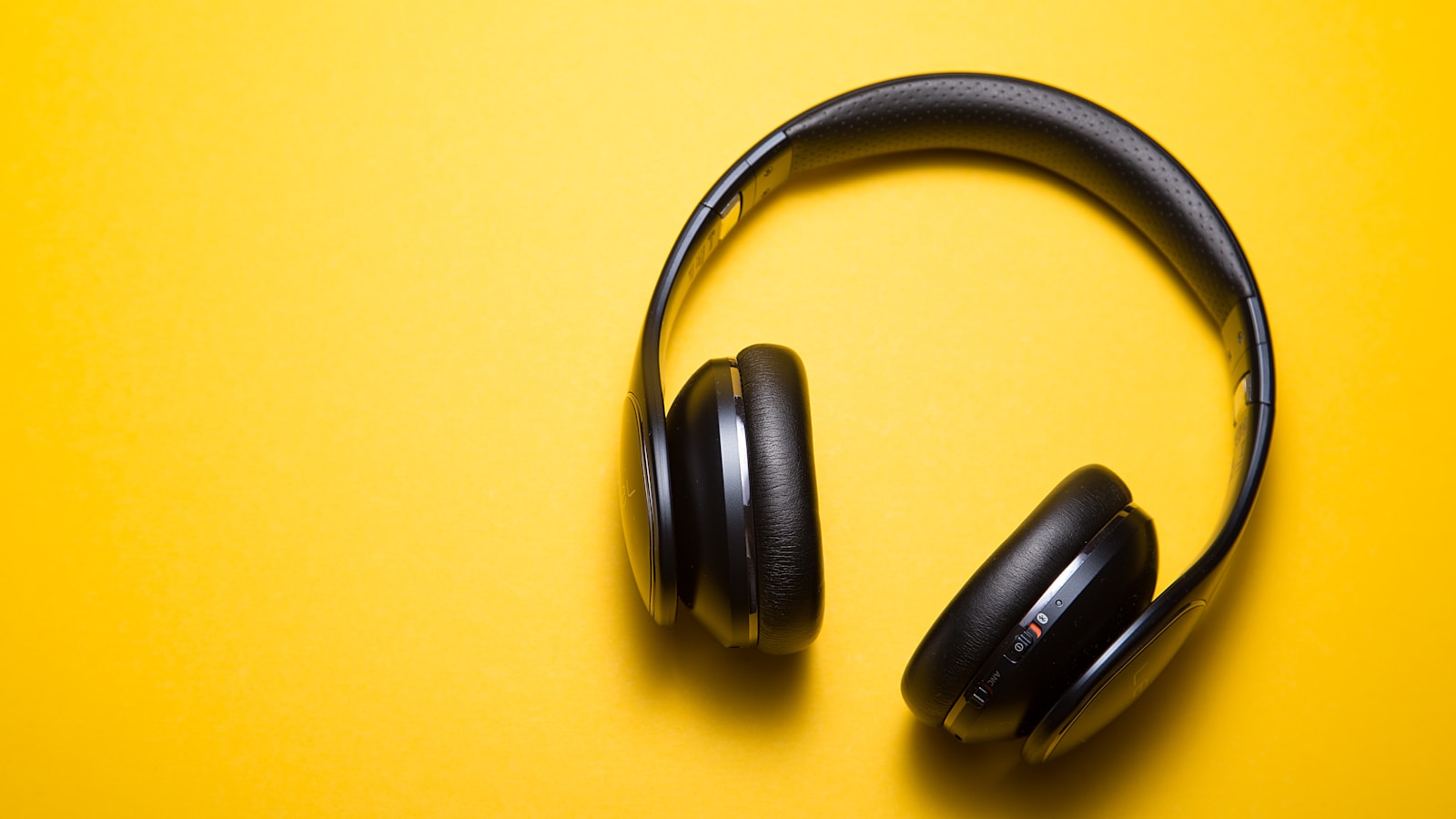
The right headphones for work from home in 2026 are not the same as the best music headphones, and certainly not the same as the best gaming ones. WFH headphones live or die on three things: do they sound clear when you are talking, do they sit comfortably for 8 hours, and do they isolate enough that the dishwasher does not derail your meeting. Hand-tested picks below, with the trade-offs that listicle reviews skip.
The four real categories
1. The "I take a lot of calls" headset
Not "headphones with a microphone" — a real headset, with a boom mic positioned near your mouth.
- Top pick: Jabra Evolve2 75 (or 65 Flex). Genuinely best-in-class for video-call clarity, comfortable for full days, the boom mic isolates voice from background better than any earbud-with-microphone combo.
- Runner-up: Poly Voyager 4320. Lighter weight, slightly less polished but cheaper.
Trade-off: bulky on your head outside calls, music quality is okay but not great.
2. The "premium music + decent calls" pick
Over-ear headphones designed primarily for music, with active noise cancellation and microphones that have improved enough for most calls.
- Top pick: Sony WH-1000XM6. Best noise cancellation in the category, comfortable, mic now genuinely usable for meetings.
- Runner-up: Bose QuietComfort Ultra. Slightly more comfortable for some heads; ANC is a hair behind Sony's; mic is comparable.
- Apple Ecosystem: AirPods Max (USB-C). Premium feel, deep iCloud-iPhone integration, expensive.
Trade-off: mic quality is "good enough" for normal meetings; if you record podcasts or do a lot of high-stakes presentations, a real headset wins.
3. The "I work in earbuds" pick
For people who hate over-ear headphones, share an office with a partner, or want a single device for travel and home.
- Top pick: AirPods Pro 2 (USB-C). The mic-on-call quality is genuinely shocking — better than most over-ear headphones costing more. Comfortable for hours.
- Top Android pick: Sony WF-1000XM5. Slightly better noise cancellation than AirPods Pro; mic is good but a notch behind.
- Premium: Sennheiser Momentum True Wireless 4. Best music quality of the three; mic is fine.
Trade-off: ear fatigue after 4–6 hours; battery requires recharging mid-day for heavy use.
4. The "wired-and-don't-care-about-trends" pick
Increasingly rare, increasingly underrated. No batteries, no firmware updates, no Bluetooth lag.
- Sennheiser HD 600 / 660S2 with a USB DAC. Audiophile-grade music; pair with a separate USB microphone for calls. Excellent value if you want to split the call and music functions.
- Audio-Technica ATH-M50x for a more office-friendly closed-back option.
Trade-off: you become the person with a small audio rack on the desk. Some people love this; some find it too much.
What to test before buying
Three things that catch most people:
- Glasses fit. Some over-ear pads press against glasses arms uncomfortably. Try with your normal glasses on.
- Heat retention. Some closed-back over-ears get hot after 90 minutes. If your home is warm, leatherette pads are misery; mesh pads or open-back designs save you.
- Mic quality on a real call. Record yourself in a Zoom test meeting. The brand's marketing audio samples are useless; your actual voice in your actual room is what matters.
What to skip
- Cheap "gaming" headsets with bright RGB and 7.1 surround branding. Comfort, mic, and durability all worse than the office-grade options.
- Vintage Bluetooth headphones from 2019 era. Bluetooth 4.x and old codecs cause real call-quality issues with modern conference apps. Get something Bluetooth 5.2+ or 5.3+.
- "Bone conduction" headphones for serious office use. Excellent for runners; mediocre for meetings.
The accessories that earn their cost
- A separate USB microphone (Shure MV7+, Elgato Wave:1, or even a Blue Yeti) if you do anything client-facing or recorded. Beats every headset mic by a wide margin and looks more professional in video calls.
- A microphone arm — keeps the cable tidy, lets you position the mic correctly, removes desk vibrations.
- A simple acoustic panel behind your desk if your office echoes. Drops perceived call quality dramatically — your colleagues will thank you.
Price-to-quality summary
- Under €150: AirPods Pro 2 or Jabra Evolve2 65 Flex — both genuinely good.
- €150–€350: Sony WH-1000XM6 or Bose QuietComfort Ultra. Best noise cancellation per dollar.
- €350+: Adding a separate USB mic + open-back headphones often beats spending more on a single all-in-one.
Bottom line
The best work-from-home headphones in 2026 depend on what you actually do all day. AirPods Pro 2 if you want one device for calls, music, and travel. Sony WH-1000XM6 for serious noise cancellation. Jabra Evolve2 75 if calls dominate your week. Skip the bright gaming headsets and the lifestyle headphones with poor mics. Test with your glasses on, in your real room, on a real call before deciding — that single 10-minute test reveals more than any review.