
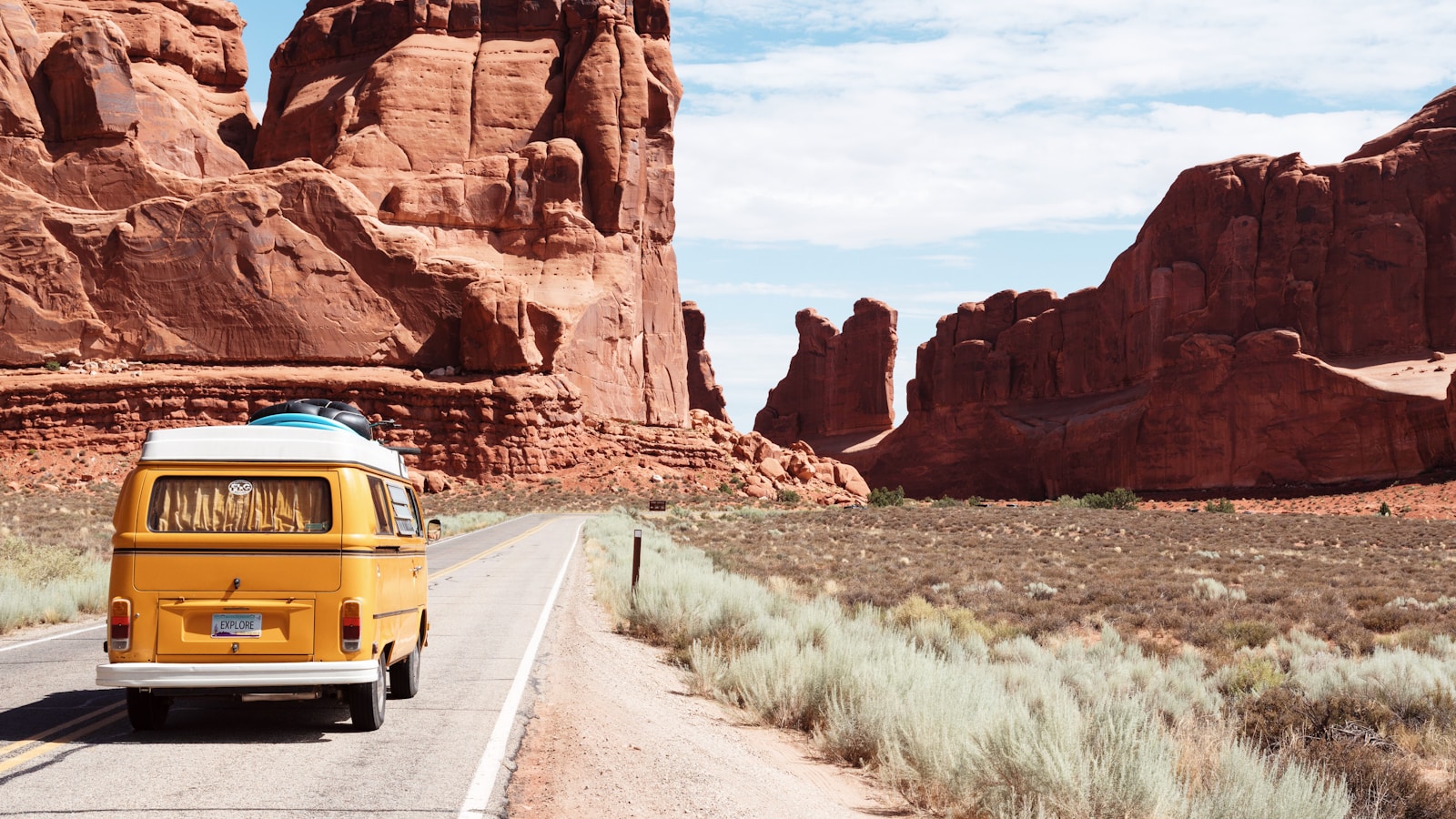
The most photographed road trips in the United States are not always the best ones. Pacific Coast Highway is genuinely beautiful and increasingly crowded, with traffic that can turn the magic into a slow-moving line of rental cars. Route 66 is more nostalgia than substance for most modern drivers. The routes that earn their place on a 2026 list are the ones with real scenery, towns worth stopping in, and stretches where you forget you are on a calendar. Here is the working list, hand-driven.
What makes a road trip work
- Scenery that changes — hours of identical landscape get tedious, however dramatic.
- Towns or stops every 100–150 miles — for food, sleep, and a stretch.
- A reasonable mix of major roads and back roads — pure interstates are efficient and forgettable; pure back roads get exhausting after two days.
- An ending that justifies the start — the best routes have a payoff, not just a stop.
Each of the trips below clears those four bars. Most can be done in 5–10 days at a humane pace.
The ten best US road trips for 2026
1. Utah's Mighty 5 loop — about 800 miles
Five national parks (Zion, Bryce Canyon, Capitol Reef, Arches, Canyonlands), connected by some of the best driving in the country. The skies are bigger than anywhere else in the lower 48. Best in May or September; July is brutal heat and crowds. Add a detour to Goblin Valley or Lake Powell.
2. Blue Ridge Parkway — 469 miles, North Carolina to Virginia
Slow, deliberate, and one of the few federal scenic byways without commercial development. Speed limit caps at 45 mph and you do not mind, because every mile is the point. Mid-October for fall colour is breathtaking; book a B&B six months out. Side trips into Asheville and Roanoke fill out the week.
3. The Great River Road — 3,000 miles along the Mississippi
You will not drive the whole thing in one trip; do a 600–800 mile slice. The Memphis-to-New Orleans segment is the most rewarding for music, food, and the slow southern Mississippi pace. Starts blues, ends jazz. Five days minimum to do it justice.
4. Highway 1 (Big Sur portion) — 90 miles, California
The most-photographed bit of the broader Pacific Coast Highway. Take three days, not one. Stop in Cambria, Ragged Point, and somewhere overlooking Bixby Bridge. Avoid summer weekends; midweek in autumn is the sweet spot. After landslides closed sections in past years, double-check current closures before going.
5. Going-to-the-Sun Road — 50 miles, Glacier National Park, Montana
Short but unforgettable. The road climbs Logan Pass and crosses the continental divide at over 6,600 feet. Open only mid-June to October. Reservation required in 2026 (book ahead). Pair with an overnight in Whitefish.
6. Highway 12 — Bryce to Capitol Reef, Utah
If the full Mighty 5 loop is too much, this 124-mile slice is the densest scenic route in the country. Hogback ridge driving, slot canyons, dramatic geology in every quarter mile. Three days with hikes; one day if you must.
7. Olympic Peninsula loop — 330 miles, Washington
Underrated. Rainforest, the wildest beaches in the lower 48, hot springs, and the Hoh and Quinault valleys. Add a day in Port Townsend on the way in. May–September is reliable; October is moody and beautiful but rainy.
8. The Beartooth Highway — 68 miles, Montana to Wyoming
Skips most lists because it is short. It is also, mile for mile, possibly the most spectacular drive in the country. 10,000-foot passes, switchbacks, alpine lakes, and a connection to Yellowstone's Northeast entrance. Open late May through mid-October only. Drive both directions if you have time.
9. The Dalton Highway — 414 miles, Alaska
For experienced drivers willing to commit. Fairbanks to Deadhorse, mostly gravel, pipeline running alongside the road, and the Brooks Range crossing. Renting a vehicle that handles it costs more than the trip seems to justify; doing it anyway is one of the great American driving experiences. Plan a week. Have the right fuel, spare tyres, and a satellite communicator.
10. The Outer Banks — 200 miles, North Carolina
An almost-island chain connected by Highway 12 and a free state ferry. Wild horses, lighthouses, the sand dunes at Jockey's Ridge, and seafood that puts most coastal "scene" restaurants to shame. May or September; the August crowds are real. Book the ferry to Ocracoke ahead of time.
Trips I would politely demote
- Route 66, full length. Genuinely interesting in stretches; mostly a long drive through fading nostalgia. Better as a 2–3 day stretch (Albuquerque to Flagstaff) than a 2,400-mile commitment.
- The full Pacific Coast Highway, San Francisco to Los Angeles. Fine if you have a week to do it slowly; rarely worth driving as a "highlight reel" in three days. The Big Sur slice is the part to keep.
- Florida's "Overseas Highway" to Key West. Beautiful in stretches, but commercial development between the bridges makes the experience inconsistent. Worth doing once; rarely the best "road trip" choice.
- The interstate I-90 cross-country. Coast-to-coast on the northern interstate is more endurance than scenic drive. If you must, take I-80 a little further south for a slightly more interesting middle.
The logistics that make the trip work
The car
For most of the routes above, a normal sedan or compact SUV is fine. The exceptions:
- Going-to-the-Sun Road has a 21-foot vehicle length limit. Big trucks need to take the long way around.
- The Dalton Highway requires a 4WD with full-size spare tyre and a rental company that allows it (most do not — Arctic Outfitters in Fairbanks specialises in this).
- Highway 12 in Utah, in winter, can require chains. Avoid if you have any choice.
Booking lodging
Pacific Coast Highway, Glacier, and the Mighty 5 — book six months out for peak season. Outer Banks and Olympic Peninsula — three months. Beartooth and the Dalton — flexible because the drive depends on weather you cannot predict.
The pace
Most road-trippers try to drive too far per day. 250 miles is a beautiful day, with stops. 400 miles is a rushed day. 600 miles is a transit day, not a road-trip day. Plan for the lower end and let the trip surprise you.
The unwritten rules
- Fill up at the next gas station after you drop below half a tank — especially in the West, where 100-mile stretches without fuel are common.
- Download offline maps before you go. Cell service drops out in nearly every scenic stretch worth driving.
- Keep a paper national park pass receipt. The card readers fail.
- Take a real cooler. Roadside food in scenic America is often worse than what you pack.
Bottom line
The best road trips in the United States in 2026 are not the most-photographed ones — they are the ones with the best ratio of scenery to crowd, towns worth stopping in, and routes you would still want to drive after the Instagram trend has moved on. Utah's Mighty 5, the Blue Ridge Parkway, the Beartooth Highway, and the Olympic Peninsula are the safest bets for a first big trip. Save Route 66 and the full PCH for the second tier. Pack lighter than you think, drive shorter days than you plan, and the country reveals itself in places the highlight reels never reach.