
Smart home gear in 2026 is finally usable. The Matter standard works, Apple Home and Google Home talk to each other, and most devices no longer need a separate app. This guide is the curated list of best smart home devices hand-tested for reliability and privacy.
What changed in 2025–2026
- Matter 1.4 makes most accessories cross-platform: a Matter bulb works in Apple Home, Google Home, Alexa and Home Assistant simultaneously.
- Local control is back. Most modern accessories work without internet. Critical for privacy and reliability.
- Thread (the low-power mesh) is shipping in cheap accessories now. Faster + more reliable than Wi-Fi for sensors.
Pick a hub first, devices second
- Apple Home + HomePod mini hub — best privacy, simplest if you live in iOS land. €99 for the hub.
- Google Home + Nest hub — best voice search, deepest Google services integration.
- Amazon Alexa — most third-party skills, slightly more locked-in.
- Home Assistant — open source, runs on a €60 Raspberry Pi or a tiny dedicated box like Home Assistant Green. Most flexible, requires comfort with tinkering. Best privacy.
The shortlist by category
Lighting
- Philips Hue (white + colour) — premium, reliable, dynamic scenes. Pricey but the bridge survives generations.
- IKEA Tradfri / DIRIGERA — solid Matter alternative for half the price. Bulbs and switches.
- Aqara T1M ceiling light — Matter-over-Thread, well-priced, no hub dependency for basic features.
- Skip: random Aliexpress bulbs without certification. Unreliable + privacy unknown.
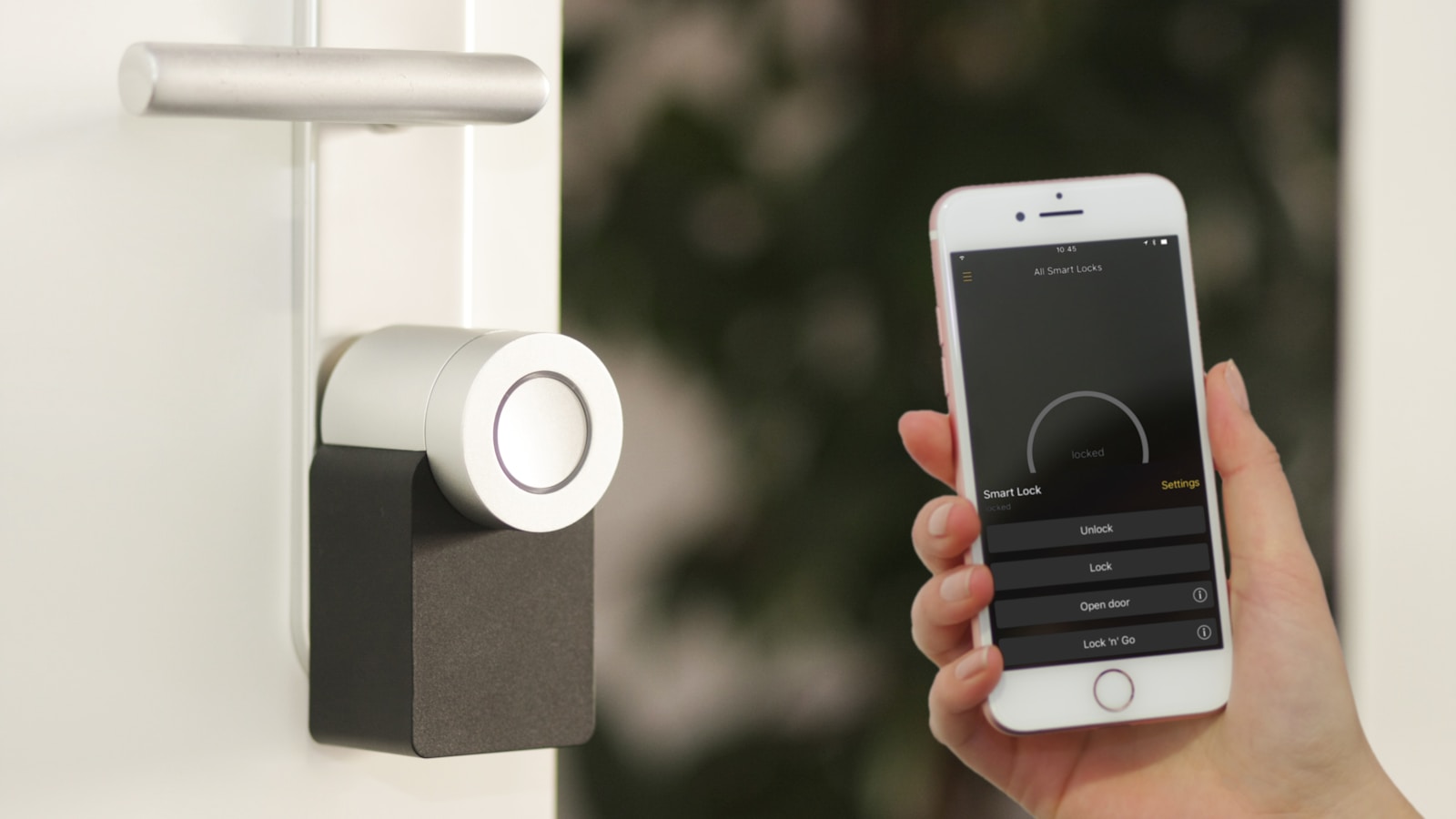
Smart locks
- Aqara U200 / U300 — retrofit existing euro-cylinder locks, Matter ready, fingerprint + Apple Home Key.
- Yale Linus L2 — Europe-friendly, reliable.
- Nuki 4 Pro — long battery life + great app, a touch ahead on integrations.
- Always pair with a backup physical key.
Cameras + doorbells
- Aqara Camera Hub G5 Pro — local recording, Apple Secure Video support.
- Eufy Security S330 / Doorbell E340 — local storage by default, no monthly fee.
- Reolink Argus / Doorbell — solid open standard support, no subscription required for basic features.
- Pay attention: anything that requires a mandatory cloud subscription to function is a red flag.
Sensors
- Aqara T1 / P2 contact sensors — tiny, Thread, multi-year battery.
- Eve Motion / Eve Door & Window — Apple-friendly with Thread support.
- SwitchBot — best for retrofits in rentals (no rewiring).
Thermostats
- Tado X / Tado Smart Thermostat — best in Europe, integrates with most boilers.
- Google Nest Learning Thermostat — gorgeous, US-centric.
- Ecobee Smart Thermostat Premium — solid value with bundled sensors.
Vacuum / mop robots
- Roborock Qrevo Edge / S8 Pro Ultra — top mapping + mopping with hot water.
- Dreame X40 Ultra — close runner-up.
- Skip: cheap "Wyze" / Aliexpress bots — they map poorly and tend to phone home.
Voice assistants
- HomePod mini — best privacy by default. Limited search, great for routines.
- Nest Mini / Nest Audio — best general voice search.
- Echo Dot 5th gen — most third-party hooks.
Air quality + comfort
- Aranet4 Home — small, e-ink CO₂ monitor with Matter support. Indispensable for indoor air quality.
- Dyson Pure Cool — premium air purifier with HEPA.
- Levoit Core 600S — best mid-range purifier.
Energy monitoring
- Shelly Pro 3EM — DIN-rail meter that talks Matter via your home assistant.
- Sense (US) — clamps onto your panel, AI identifies appliances.
- Worth the time if your bill matters.
What to skip in 2026
- Smart fridges with built-in screens. The screen ages faster than the fridge.
- Smart microwaves and toasters. Solving problems no one has.
- Anything that requires a mandatory cloud account to control basic functions.
- Off-brand Wi-Fi-only switches that flood your router with traffic.
Privacy: the rules I follow
- Always-on microphones in shared rooms only when I knowingly turn them on. No mic in the bedroom.
- Local recording on cameras whenever possible.
- Vendor cloud only for accessories where it materially improves the experience (energy data, weather).
- Update firmware monthly. Most exploits target devices that haven't been updated in 18+ months.
- Separate IoT VLAN on the router if you can — keeps a compromised IoT device away from your laptop.
The realistic budget
- Starter (€200): 2 smart bulbs + 1 sensor + 1 voice assistant. Good for "lights at sunset".
- Mid (€600–€1,000): add a smart lock, doorbell, thermostat, 5 sensors. Material upgrade in daily life.
- Full (€1,500–€3,000): add cameras, robot vacuum, energy monitor, multi-room audio. The "house automates itself" tier.
The biggest mistakes
- Buying everything in one weekend. Add 1 thing, live with it 2 weeks, then add the next.
- Mixing 4 ecosystems. Pick a hub. Stay with it.
- Putting cameras inside the home pointed at people. Almost always overkill, sometimes illegal in shared housing.
- Forgetting the people who do not have your apps. Always keep a manual switch / physical key.
The bottom line
The best smart home devices in 2026 are the ones you forget about. Pick a hub, buy two or three reliable accessories that solve a daily annoyance, and grow only when something else genuinely irritates you. The home should serve you, not the other way around.