
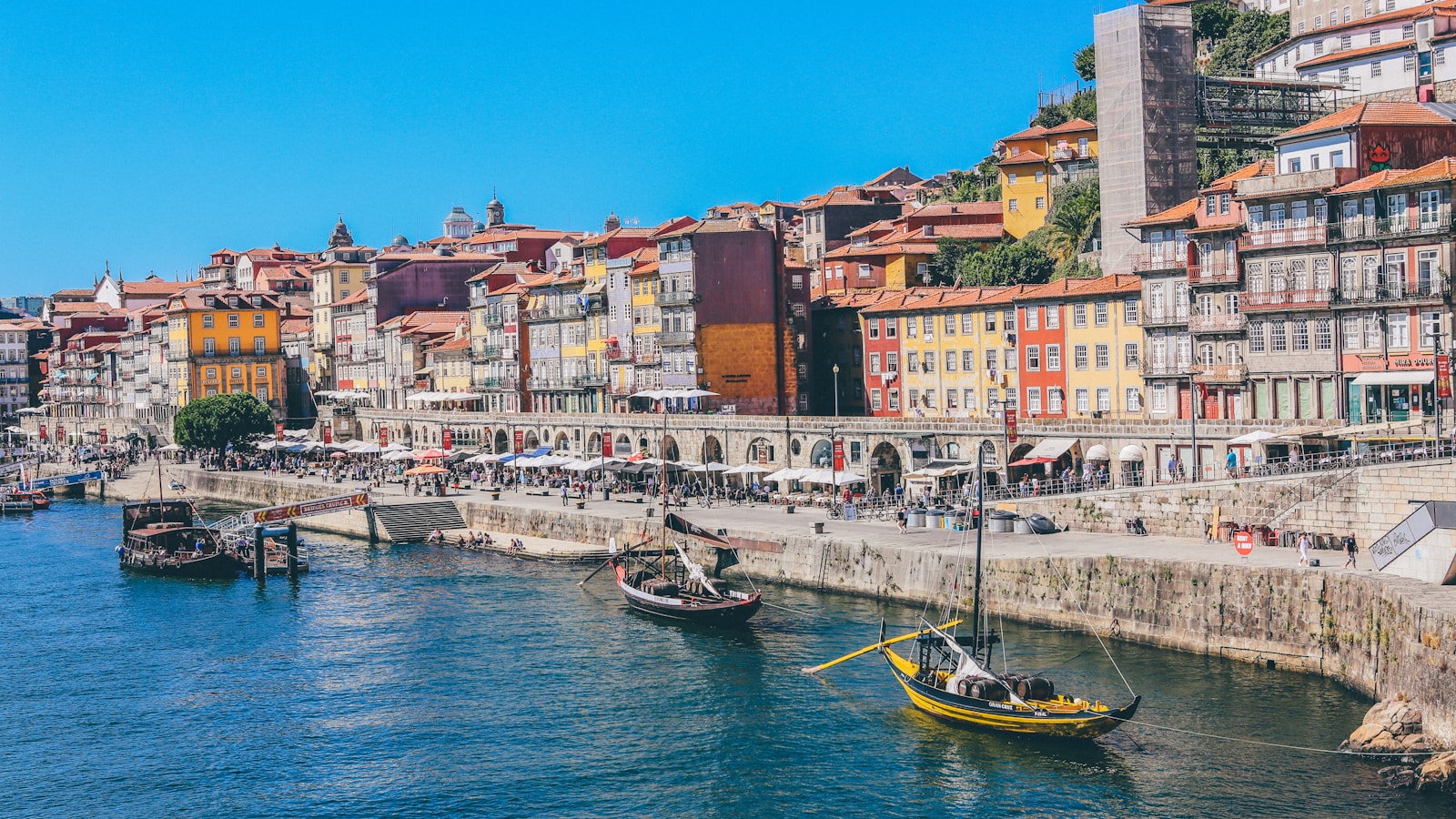
Portugal in 2026 is past the "underrated discovery" phase, but it has barely scratched the surface for most visitors who come for a long weekend in Lisbon and call it the trip. The country is small, walkable, and packs more variety per kilometer than any other in Western Europe. The honest list of things to do in Portugal below skips the "see Belém Tower" suggestions and goes straight to the regions and experiences that earn their reputation.
Lisbon — beyond the obvious
Most visitors do the same five things. The Lisbon worth slowing for is the one in:
- Alfama at 7 am before the tour groups arrive. Real fado is sometimes still played in the small bars on the back streets at night.
- Príncipe Real and Santos — the neighbourhoods that locals actually frequent now. Specialty coffee, vintage shopping, real bars.
- Alcântara and LX Factory for the bridge views and the design district that grew around the old textile factory.
- The Time Out Market for one meal only. Yes, it is touristy. The lunches stay genuinely good if you skip the obvious stalls.
Day trips: Sintra (yes, even crowded), Setúbal for the seafood, Mafra for the palace and the absurdly large library.
Porto — the city that punches above its weight
Smaller, slower, and arguably more beautiful than Lisbon. Three days minimum:
- Riberia and the Douro waterfront at sunset.
- Vila Nova de Gaia for the port houses (Taylor's, Graham's, Sandeman) — pick two, not all of them.
- Livraria Lello (yes, the famous bookshop). Go right at opening or go at the last admission slot to avoid the crush.
- Mercado do Bolhão for lunch, recently restored.
- The beach at Matosinhos — 20 minutes by metro, world-class grilled fish.
The Douro Valley — the real wine country
One of the most photogenic landscapes in Europe and a working wine region that is still affordable. Two ways:
- By train from Porto's São Bento station to Pinhão. The route along the river hugs the terraces; one of Europe's most beautiful train rides.
- By car for full flexibility — overnight at Quinta de Macedos, Quinta da Pacheca, or one of the small family-run guesthouses.
Two-night minimum. Visit two or three quintas, eat at the river-front restaurants, watch the harvest if you visit in September.
The Alentejo — the underrated heartland
Most international visitors skip the Alentejo, which is exactly why it stays so good. Cork forests, walled towns (Évora, Monsaraz, Marvão), broad open landscapes, dramatic stars at night. Excellent wines that have not yet been priced like Bordeaux. Best:
- Évora as the central base — the Roman temple, the chapel of bones, the central plaza.
- Monsaraz for one of the most preserved medieval villages in Portugal.
- Comporta for the beaches when you want to combine the Alentejo with the coast.
The Algarve — beyond the package tours
The west and the east are different countries. Skip the Albufeira-Vilamoura strip:
- The west: Sagres, Lagos to the sea-arches, the wild beaches like Praia da Bordeira and Praia do Amado. Surf town energy in spots; quiet otherwise.
- The east: Tavira and the Ria Formosa lagoon system. Boat trips to the sand-bar islands. Serene, much less developed, where many Portuguese themselves go.
Avoid mid-July and August unless you genuinely love crowds. May–June and September–October are better.
The Atlantic islands
Madeira
Volcanic, dramatic, hiking-perfect. The "levada" walks (centuries-old irrigation channels with footpaths along them) are the unique experience. The wine is its own category. Funchal as the base; book ahead in summer.
The Azores
Nine islands, each different. São Miguel for the lakes, Pico for the volcano and wines, Flores for the dramatic coast, Faial for the harbour. A multi-island week is the canonical Azores trip. Whale-watching is among the best in the world. The most underrated destination in all of Portugal.
The food worth the journey
- Bacalhau in any of its 365 preparations — but especially à brás (eggs and matchstick potatoes) or à lagareiro (with olive oil).
- Sardinhas assadas — grilled sardines with a glass of vinho verde, June through September.
- Cataplana in the Algarve.
- Bifanas — grilled pork sandwiches, the cheapest perfect lunch.
- Pastel de nata at Manteigaria, not just at the famous Pasteis de Belém. Manteigaria's are arguably better.
How to plan it
- One week: Lisbon (3) + Sintra day trip + Porto (3) with the Douro by train.
- Ten days: add the Algarve east (Tavira and Olhão).
- Two weeks: add the Alentejo or the Azores.
- Three weeks: the full loop — Lisbon, Sintra, Alentejo, Algarve east + west, Porto, Douro, Madeira or the Azores. The trip of a lifetime, possible on under €100 a day per person if you avoid the obvious tourist trap restaurants.
The booking timing
- April–June and September–October are the sweet spot. Warm enough; not packed.
- Book the Douro and the Azores 3+ months out for boutique stays.
- July–August means crowds and prices in coastal areas; avoid unless you must.
- Winter is genuinely good for cities and the Alentejo; quieter, often sunny, much cheaper.
Bottom line
The best things to do in Portugal in 2026 are not the bucket-list sights but the slow regional immersion the country rewards. Two days minimum per region; ten days for a real loop; three weeks for a trip you will not need to repeat for a decade. Lisbon and Porto are the gateways; the Douro, the Alentejo, the Algarve east, and the Azores are where the country really lives.