
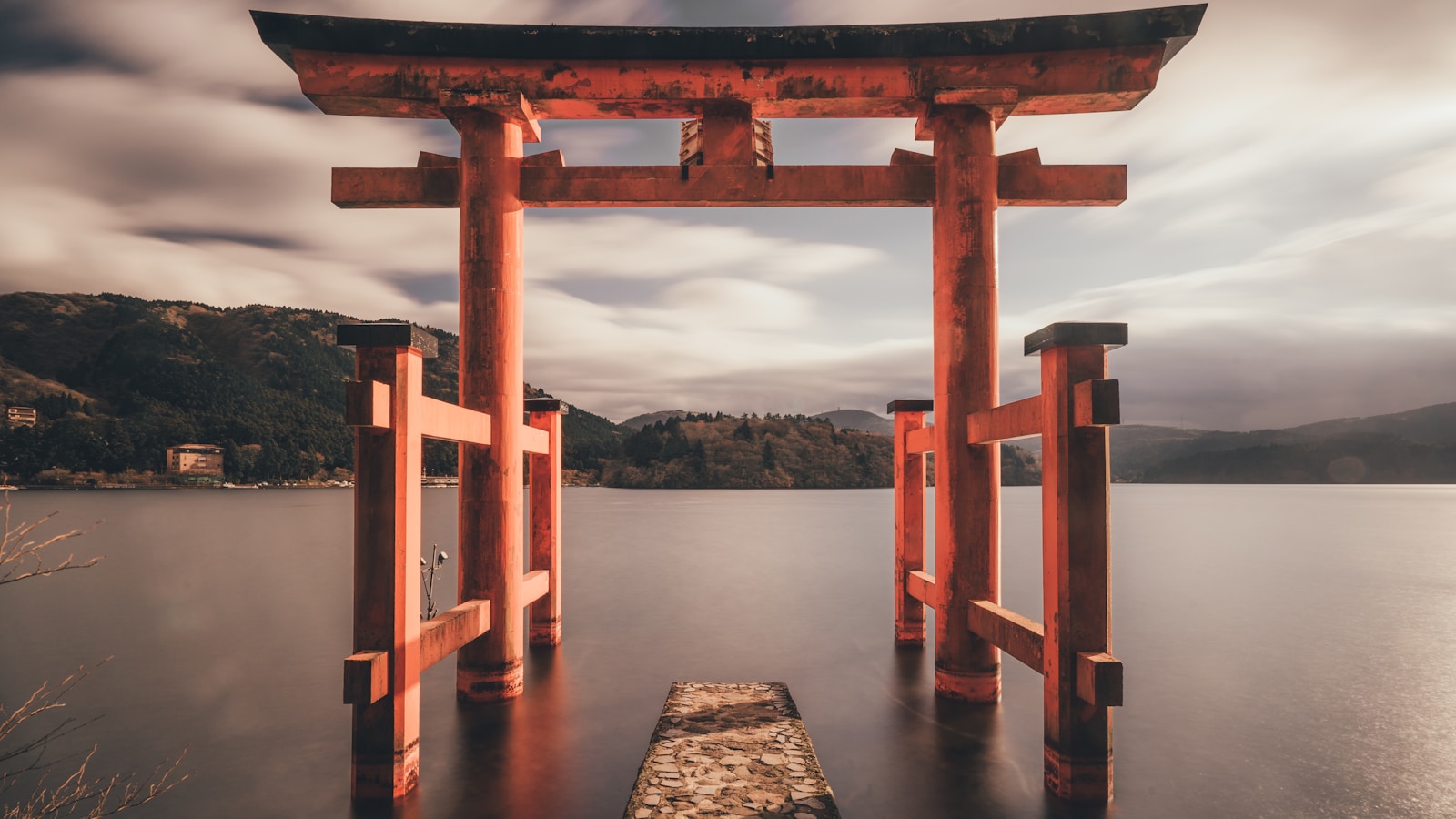
Japan rewards travellers who time their trip right. Cherry blossoms in March-April, fiery foliage in November, world-class powder in February — every month has a reason to visit and a reason not to. Here is the practical month-by-month guide to the best time to visit Japan.
January — quiet, cold, very photogenic
- Weather: 0 to 10°C in Tokyo, snow in the north, bluebird ski days in Hokkaido and Niigata.
- Best for: skiing (Niseko, Hakuba, Nozawa Onsen), onsen towns, snow festivals.
- Crowds: low (after the New Year week).
- Skip if: you want cherry blossoms.
February — peak ski + plum blossoms
- Sapporo Snow Festival is the headliner.
- Powder snow at its driest and deepest.
- Plum blossoms appear in Tokyo and Kyoto from mid-month.
- Cold but very dry. Pack layers and proper boots.
March — shoulder season turning into sakura
- Weather: 5 to 15°C, milder by the end of the month.
- Cherry blossoms: typically open in Kyushu late March, Tokyo and Kyoto end-March to early April.
- Crowds: rising sharply once sakura starts.
April — peak sakura, peak crowds
- The most beautiful month of the year, also the most expensive.
- Book accommodation 4 to 6 months in advance.
- Best cherry blossom spots: Kyoto Philosopher's Path, Tokyo Meguro River, Osaka Castle, Hirosaki Castle (later, end of April).
- Tip: travel in the second half of April when most cherry blossoms have passed but the temperature is perfect.
May — mild, green, cheaper after Golden Week
- Avoid the first week (Golden Week) — domestic travel chaos and high prices.
- Mid to late May: 18 to 24°C, lush green, very pleasant.
- Ideal for hiking the Nakasendo Trail, Mount Koya, Shikoku.
June — rainy season (tsuyu)
- Hot, humid, frequent rain, but rarely all day.
- Hydrangeas (ajisai) bloom across temples — Hasedera in Kamakura is iconic.
- Lower prices and far fewer tourists.
- Pack a light rain jacket and quick-dry clothes.
July — hot, festivals, fireworks
- 30 to 35°C with high humidity, especially in cities.
- Spectacular festivals: Gion Matsuri in Kyoto, Tenjin Matsuri in Osaka.
- Massive fireworks displays nationwide.
- Head north (Tohoku, Hokkaido) for cooler weather.
August — hot, humid, Obon week
- Hottest month, often 35°C+ with sticky humidity.
- Obon (mid-August) is a major holiday: domestic travel and prices spike.
- Plus side: dazzling lantern festivals and floating lights ceremonies.
- Best for Hokkaido, Japanese Alps and northern coastlines.
September — typhoon season, but improving
- Cooler and less humid by mid-month.
- Typhoon risk peaks early September.
- Lower prices, fewer tourists.
- Beautiful late summer in northern Japan and the Alps.
October — the underrated sweet spot
- 15 to 22°C, dry, sunny.
- Foliage starts in Hokkaido and the Alps.
- Great food season — autumn produce and matsutake mushrooms.
- Less crowded than November but with similar weather.
November — peak autumn foliage (koyo)
- The other big-crowd, big-beauty month after April.
- Best foliage spots: Kyoto (Eikando, Tofukuji, Arashiyama), Nikko, Mount Takao, Kamakura.
- Book lodging 3 to 4 months ahead.
- Crisp, dry weather, perfect for walking all day.
December — winter illuminations and onsens
- Cold but mostly dry in central Japan.
- Christmas illuminations across Tokyo, Osaka and Kobe are spectacular.
- Onsen season — best paired with snowy mountain settings.
- Skiing starts in late month.
Best month for each travel goal
- Cherry blossoms: late March to early April (south to north).
- Autumn foliage: mid to late November.
- Skiing: January and February.
- Lowest prices: June, early September.
- Best weather without crowds: mid-October.
- Festivals: July (Gion Matsuri), August (Awa Odori).
Practical tips for any month
- Get a Suica or PASMO card on arrival for trains and convenience stores.
- Use Klook or Klook Pass for bullet train passes if covering long distances — the JR Pass is no longer the universal best deal.
- Carry cash. Many small restaurants still don't take cards.
- Pack good walking shoes; you will average 15 to 25 km per day.
- Download Google Maps offline and Yomiwa for kanji translation.
Avoid these dates if possible
- Golden Week (April 29 to May 5).
- Obon (mid-August, dates vary by region).
- New Year week (December 28 to January 4).
During these holidays, domestic travel is at its peak — trains and flights spike in price, and major sights are crowded with locals.
The bottom line
The best time to visit Japan depends on what you want to see. For first-timers: late March / early April for cherry blossoms or mid to late November for foliage are the bucket-list options. For value and good weather without crowds: mid-October. Whatever month you choose, book the major accommodation 3 to 6 months ahead — Japan rewards planning.