
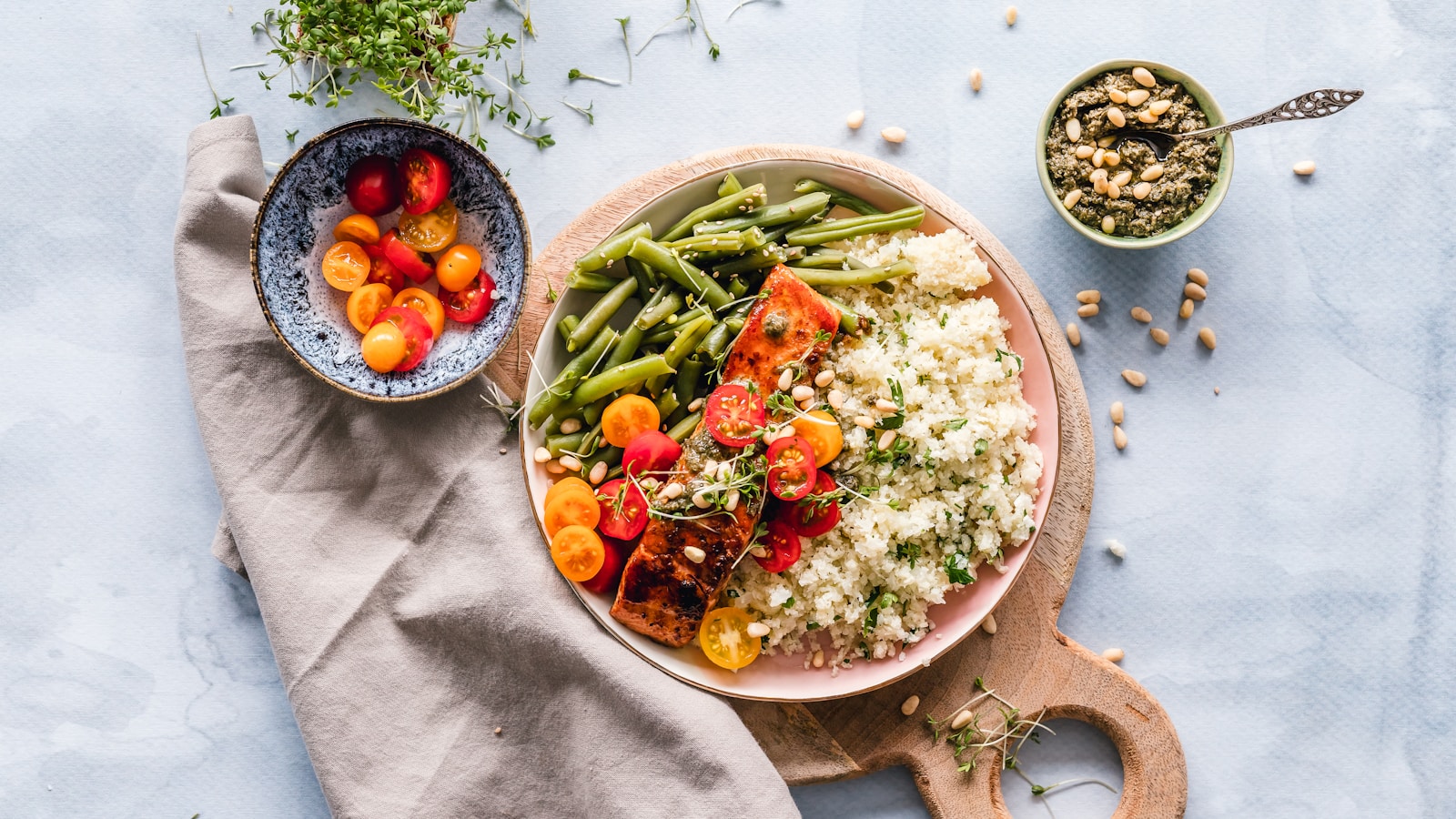
The Mediterranean diet is the only eating pattern that has consistently shown long-term benefits across heart, brain, weight and cancer outcomes — without being a "diet" you have to grit your teeth through. This guide is the practical version: what to eat, how often, a 7-day starter plan, and the mistakes that quietly turn the Mediterranean diet into "olive oil on top of fast food".
What it actually is
It is not a calorie-counting plan. It is a description of how southern Italians, Greeks and Spaniards traditionally ate before global processed food took over: lots of vegetables, beans, whole grains, fish, olive oil, fruit, nuts, herbs, and modest amounts of dairy, eggs, poultry and red wine.
The food pyramid (modern version)
Eat at every meal
- Vegetables (half the plate).
- Whole grains: oats, brown rice, bulgur, whole-wheat pasta, sourdough bread.
- Beans, lentils, chickpeas (3+ times a week).
- Extra-virgin olive oil as the primary fat.
- Herbs and spices instead of salt or sugar.
Eat daily
- Fruit (1–3 portions).
- Nuts and seeds (small handful).
- Yoghurt or kefir.
Eat weekly
- Fatty fish (sardines, mackerel, salmon, anchovies) 2–3 times.
- Eggs (2–4).
- Cheese (modest portions, daily is fine).
- Poultry (1–2 times).
Eat sparingly
- Red meat (a few times a month, not a few times a week).
- Sweets and pastries (occasional, not daily).
- Butter (less than a tablespoon a day).
- Ultra-processed food in general.
Drink
- Water as the default.
- Coffee or tea, fine.
- Red wine, optional, with meals: 1 small glass a day for women, up to 2 for men. Skip if you do not already drink.
What the science actually shows
- PREDIMED trial (Spain, 7,447 people): 30% lower risk of major cardiovascular events compared to a low-fat diet.
- Long-term observational data: lower rates of dementia, type 2 diabetes, certain cancers (especially breast and colorectal).
- Weight: not a fast weight-loss diet, but a sustainable one. Average loss without restriction is 2–4 kg over 6 months.
- Mood: emerging evidence for reduced depression risk.
Common mistakes that kill the benefits
- "Mediterranean" pasta dishes that are 80% refined pasta + processed cheese.
- Olive oil on top of an otherwise ultra-processed meal.
- Replacing fish with daily charcuterie.
- Drinking 3 glasses of wine instead of 1.
- Treating "Mediterranean" as a license to eat unlimited calories — it is not.
The 7-day starter menu
Monday
- Breakfast: Greek yoghurt, berries, walnuts.
- Lunch: Lentil and spinach soup, whole-grain bread, olive oil.
- Dinner: Grilled salmon, roasted vegetables, brown rice.
Tuesday
- Breakfast: Oats with apple, cinnamon, almonds.
- Lunch: Chickpea + cucumber + tomato salad with feta.
- Dinner: Whole-wheat pasta with tomato, garlic, anchovies, parsley.
Wednesday
- Breakfast: Wholegrain toast, avocado, soft-boiled eggs.
- Lunch: Tuna and white-bean salad, olive oil and lemon dressing.
- Dinner: Roast chicken thighs, lemon potatoes, broccoli.
Thursday
- Breakfast: Greek yoghurt, honey, nuts.
- Lunch: Leftover roast chicken in a wholegrain wrap with hummus and salad.
- Dinner: Vegetable + chickpea curry with brown rice.
Friday
- Breakfast: Shakshuka with whole-wheat pita.
- Lunch: Mixed-bean and grain bowl, olives, feta, olive oil.
- Dinner: Grilled mackerel, mashed sweet potato, green salad.
Saturday
- Breakfast: Wholegrain pancake, fruit, yoghurt.
- Lunch: Mezze plate (hummus, baba ghanoush, olives, cucumber, pita).
- Dinner: Slow-cooked beef stew with vegetables, small portion of red wine.
Sunday
- Breakfast: Eggs with sautéed spinach, whole-wheat toast.
- Lunch: Roasted vegetable + halloumi platter, brown rice.
- Dinner: Pizza on whole-wheat dough, tomato + mozzarella + basil + anchovies, side salad.
Cooking essentials
- Extra-virgin olive oil: not just any olive oil. Buy in dark glass, single-origin if possible, use it raw or low-heat sautéing.
- Pantry: tinned tomatoes, dried lentils, chickpeas, sardines, anchovies, oats, brown rice, bulgur, whole-wheat pasta.
- Fridge basics: Greek yoghurt, feta, lemons, herbs, olives.
- Freezer: frozen mixed berries, frozen vegetables, frozen wild fish.
Budget version
The "expensive" reputation comes from people buying salmon, organic produce and imported feta. The traditional version is cheap: lentils, eggs, sardines, in-season vegetables, oats, beans. A weekly Mediterranean shop for two can land at €40–60.
Mediterranean for travelers and weekends
The diet barely fights real life. Pizza, pasta, paella, cheese plates, gelato — all common in southern European countries and broadly compatible. The pattern wins by what you eat the other 5 days of the week, not by hyper-controlling Friday dinner.
Who should be careful
- Coeliac or non-coeliac gluten sensitivity: swap whole-wheat pasta for rice/buckwheat. Everything else fits.
- Renal disease: high potassium, may need adjusting under medical guidance.
- Severe nut allergies: easy to skip, doesn't break the pattern.
30-day starter plan
- Week 1: replace one daily ultra-processed snack with a piece of fruit + nuts.
- Week 2: cook one Mediterranean dinner from the menu above. Repeat the recipe a second night to reduce friction.
- Week 3: switch your default cooking fat to extra-virgin olive oil.
- Week 4: add fish twice this week. Track how you feel by the end of the month.
The bottom line
The Mediterranean diet is the most evidence-backed eating pattern in modern nutrition. It is also the most enjoyable. Done in real life — not as a hashtag — it lowers cardiovascular risk, supports brain health, helps weight stay in check and quietly upgrades your kitchen. Pick one meal a day to follow it and let the habit grow naturally.