
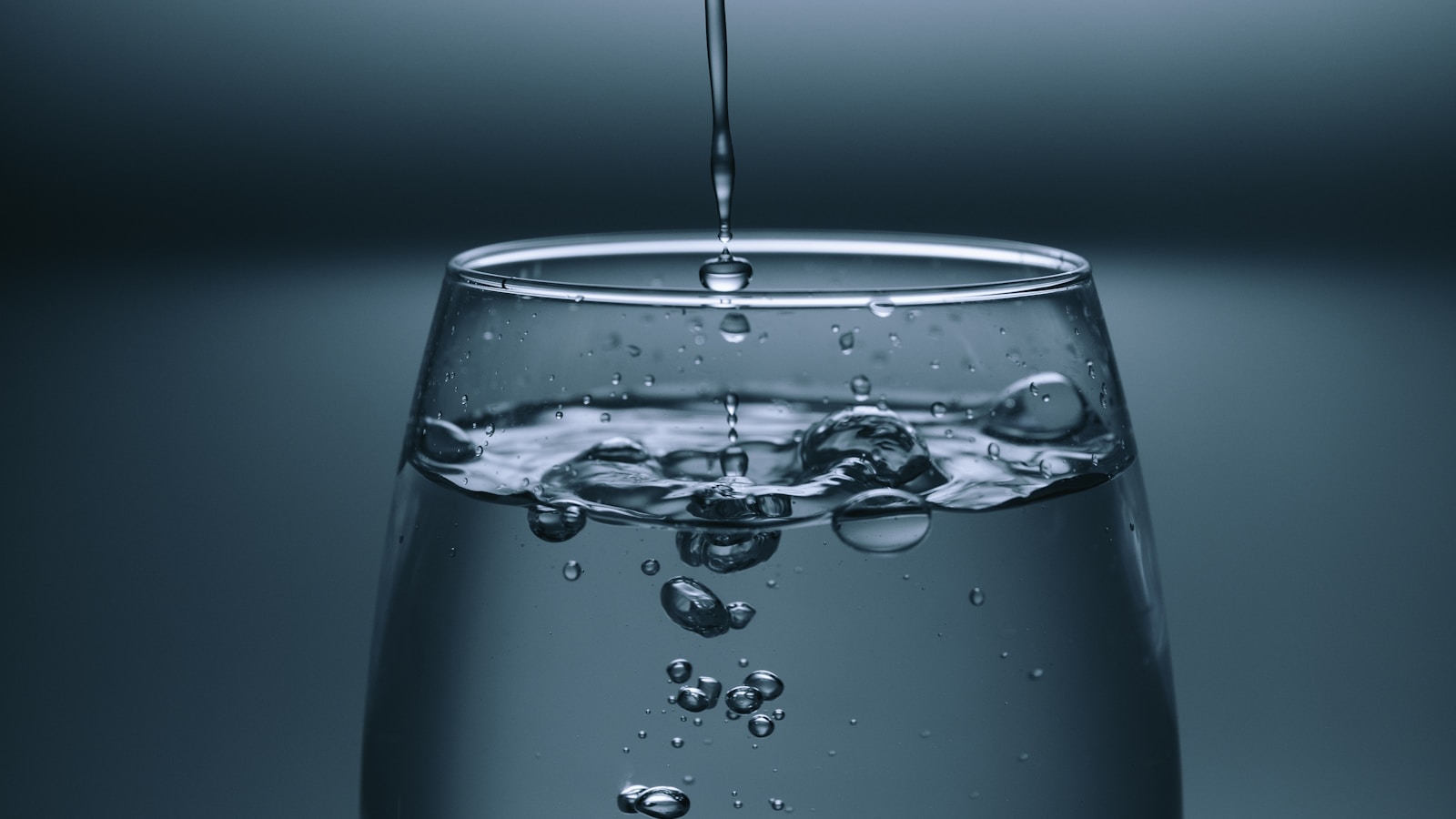
The internet's advice on how to drink more water in 2026 is split between $80 hydration bottles, ten-app reminders, and electrolyte-powder sponsorships. The actual answer is simpler. Most people who do not drink enough water do not lack motivation, an aesthetic bottle, or a "water tracker" — they lack two or three small environmental tweaks. Once those are in place, hydration becomes accidental, which is exactly what you want.
How much water do you actually need?
The "8 glasses a day" rule is a vague approximation that has held up reasonably well in research. The more accurate version: roughly 30–35 ml per kilogram of body weight per day, including water from food (which contributes about 20%). For a 70 kg adult, that is around 1.7–2 liters of fluids daily. More on hot days, with hard exercise, with caffeine, with alcohol, or while pregnant or breastfeeding.
What counts as "fluid":
- Water — obviously.
- Coffee and tea — yes, the caffeine diuretic effect is small at normal doses; net positive.
- Herbal tea, sparkling water, broth — yes.
- Milk, including plant milks — yes.
- Fruit, vegetables, soups, yoghurts — partial credit; about 20% of daily intake comes from food.
- Beer, wine, spirits — no. The diuretic effect is significant; alcoholic drinks are net dehydrating.
- Sugary sodas — technically water, but the trade-offs (sugar, dental, blood-sugar spikes) are not worth discussing as hydration strategy.
Real takeaway: most people need about 1.5–2 liters of water-equivalent on top of food. That is six to eight glasses, give or take.
The signs you are slightly dehydrated
Most people are not dramatically dehydrated. They are mildly dehydrated, often. The signs:
- Mid-afternoon headache that is not from caffeine withdrawal.
- Brain fog around 4 pm that is mistaken for needing more coffee.
- Dry mouth, dry eyes, slightly cracked lips.
- Urine that is dark yellow rather than pale straw.
- Mild constipation.
- Skin that is slow to bounce back when pinched on the back of the hand.
None of these are emergencies. All of them respond to two glasses of water within 30 minutes.
The five environment tweaks that work
1. Keep a glass of water visible at all times
The single highest-leverage intervention. A glass on your desk, a glass on the kitchen counter, a glass on the bedside table. You will sip from a glass that is in your sightline. You will not seek out a glass that is in a cupboard.
The "aesthetic bottle" trend is fine but optional. A regular glass that you can refill in 10 seconds works just as well.
2. Pair drinking with existing habits
Hydration sticks when it is bolted onto routines you already have:
- Glass of water immediately on waking, before coffee.
- Glass with each meal.
- Glass before each coffee or tea.
- Glass at every meeting break.
- Glass before bed (small, otherwise you will be up at 3 am).
Five glasses just from hooking onto things you already do, no app required.
3. Make it the default in your office or kitchen
If the only available drinks at hand are coffee, soda, or a 15-minute walk to the kitchen, you will not drink water. Buy a 1-liter glass jug, fill it in the morning, keep it on your desk. Empty by lunch, refill once. Done. Total work: 20 seconds twice a day.
4. Add flavour if you genuinely dislike water
Some people genuinely do not like the taste of plain water. Sparkling water with a slice of lemon, cucumber, or mint is still water. Unsweetened iced tea is still water. The "must be plain" purism is a Reddit invention; a glass of sparkling water with a squeeze of lime is not nutritionally inferior to a glass of tap water.
Avoid: vitamin waters, "enhanced" waters with sweeteners, sports drinks for non-sport hydration. They are sugar bombs disguised as wellness.
5. Drink before you think you are thirsty
Thirst is a lagging indicator. By the time you feel it, you are already mildly dehydrated. The habit of "I'll drink when thirsty" leaves most people permanently a step behind. The five environmental cues above remove the dependence on conscious thirst altogether.
Special situations
If you exercise
- 200–400 ml in the 30 minutes before exercise.
- Sips during, especially if longer than 45 minutes or hot.
- 500 ml in the hour after.
- For sessions over 60 minutes or in heat: add electrolytes (a small pinch of salt and a slice of lemon in your water works as well as commercial powders).
If you live in a hot climate
Add roughly 500 ml per hour of significant outdoor exposure. Sweat losses can be 1 liter per hour of activity in heat — easy to under-replace.
If you drink coffee all morning
Pair each coffee with a glass of water. The slight diuretic effect of caffeine is real but small. A 1:1 swap keeps you ahead.
If you drink alcohol the night before
Alcohol significantly suppresses anti-diuretic hormone, which is half of why hangovers feel like dehydration. Two glasses of water before bed and another two on waking dramatically reduce the next day's misery.
The myths worth retiring
- "Coffee dehydrates you." Net positive at normal doses (1–4 cups). The myth comes from observing acute diuretic effects without accounting for the water content.
- "You can flush toxins by drinking lots of water." Your kidneys handle that on their own. Excess water does not detox anything; it just produces more pee.
- "You can't drink too much water." You can. Hyponatremia from over-drinking, especially during endurance exercise, is rare but serious. Reasonable intake is reasonable; gallons a day is not better.
- "Cold water burns more calories." The effect is so small (a few calories) it is essentially zero.
- "Alkaline water is healthier." No good evidence. Your stomach acid neutralises any pH difference within seconds. Skip.
The €60 bottle question
Aesthetic water bottles (Stanley, Hydro Flask, the new translucent designs) work because they keep cold water cold for hours, they are visible, and people enjoy carrying them. If owning a nicer bottle increases your intake, it has earned its price. If you have one in a cupboard from 2023 and still drink coffee all day instead, the bottle is not the issue.
The only practical test: does it stay with you, does it get refilled, does it actually hold water you drink? If yes, any €15 bottle works as well as a €60 one. The marketing premium is for the aesthetic, not the hydration.
Bottom line
Drinking more water in 2026 is not a willpower problem and not a tool problem. It is a "water in your sightline" problem. Keep a glass on your desk, hook drinking onto things you already do, refill twice a day, and let yourself add lemon if plain water bores you. Skip the app reminders, the alkaline water, the €60 bottle that promises to change your life. Most people who follow this advice for two weeks discover they were the kind of "tired" that was actually dehydrated all along.