
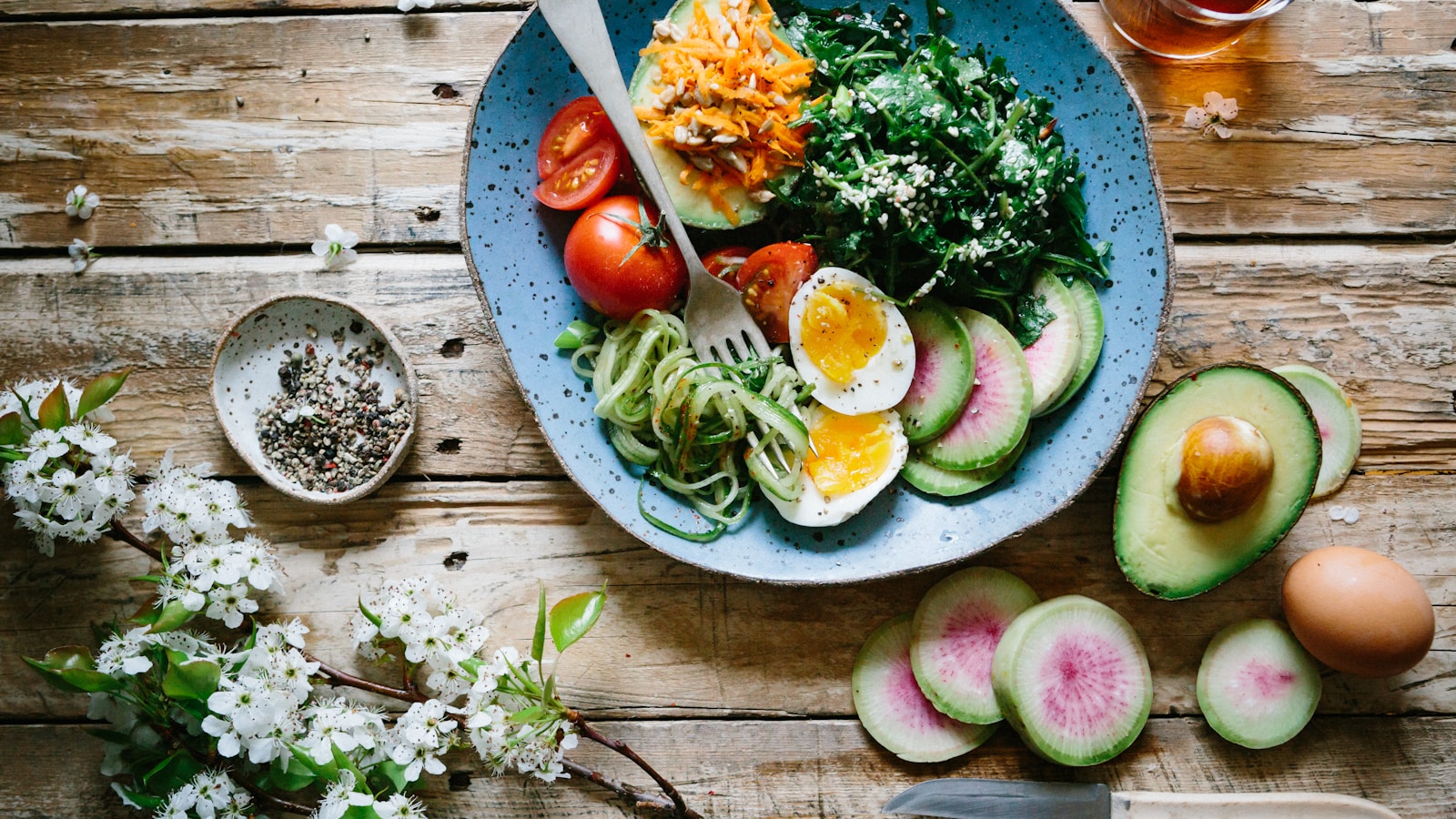
The honest version of how to cook healthy meals fast in 2026 is uncomfortable: most "15-minute healthy dinners!" recipes lie about the prep time. Once you account for chopping, washing, and cleanup, they are 35-minute dinners. The real shortcut is not in the recipe — it is in the pantry, the technique, and a small set of meals that genuinely fit in 15 minutes once you have made them three times.
The principle: pantry first, recipe second
Fast dinners come from a stocked kitchen. Trying to be fast with an empty fridge is impossible. The minimum pantry that lets you cook anything below in 15 minutes:
- Olive oil, neutral oil, butter.
- Salt, pepper, smoked paprika, cumin, garlic powder, oregano, soy sauce, vinegar, mustard.
- Pasta (one short, one long), rice, dried lentils.
- Canned tomatoes, chickpeas, black beans, tuna.
- Frozen vegetables (peas, broccoli, spinach).
- Onions, garlic, lemons.
- Eggs, butter, hard cheese.
That pantry plus 1–2 fresh proteins and 1–2 fresh vegetables a week covers most weeknights.
The techniques that compound
1. Heat first
The pan goes on the heat the moment you walk into the kitchen, before any chopping. By the time the onion is sliced, the pan is hot. Most "30-minute" recipes lose 10 minutes to a cold start.
2. The aromatic-first method
Onion or shallot in the hot pan with oil, while you chop the rest. Three minutes head start on every savoury dish.
3. Cook the protein and vegetables in the same pan
Sequential, not parallel. Brown the protein; remove. Sauté vegetables in the same pan with the residual fat and fond. Reintroduce protein at the end. One pan to wash, deeper flavour, less time.
4. Boil and stir-fry simultaneously
Pasta or rice on the back burner; sauce or stir-fry on the front. Two stages cooking in parallel rather than sequentially. Cuts most "fast" dinners by 5–10 minutes.
5. Salt early; taste constantly
Salt the boiling water. Salt the protein before cooking. Salt the vegetables when they hit the pan. Salt is not a finishing step; it is built in stages. The dish improves dramatically without slowing the process.
The 10 meals that earn permanent rotation slots
1. Garlic-shrimp pasta — 12 minutes
Boil pasta. Sauté garlic and chili in olive oil. Add shrimp; cook 2 minutes per side. Reserved pasta water. Lemon. Done.
2. One-pan chicken thigh + greens — 20 minutes
Brown chicken thighs (skin side down 8 minutes). Flip; add chopped kale or spinach to the pan. Cook through. Squeeze of lemon at the end.
3. Black bean tacos — 10 minutes
Heat tortillas. Heat canned black beans with a little broth and cumin. Top with cheese, hot sauce, fresh cilantro, lime. Done.
4. Stir-fried tofu and frozen vegetables — 15 minutes
Press tofu (5 min while pan heats). Cube; sear hard. Toss with frozen mixed vegetables, soy sauce, garlic, ginger, sesame oil.
5. Lentil and tomato stew — 20 minutes
Onion + garlic. Add canned tomatoes, broth, dried lentils, smoked paprika. Simmer 15 minutes. Lemon at the end.
6. Egg fried rice — 12 minutes
Day-old rice + eggs + soy sauce + frozen peas + sesame oil. Hot pan. Six-minute cook. The leftover-saver king.
7. Salmon + potato + green — 18 minutes
Microwave-steam baby potatoes (8 min). Pan-sear salmon (4 min skin-side; 2 min flip). Quick steam green beans or peas. Plate.
8. Pasta with garlic, olive oil, and chili — 10 minutes
Pasta in salted water. Olive oil + thinly-sliced garlic + chili flakes in another pan; toss with pasta and a splash of pasta water. Hard cheese on top.
9. Chickpea-tomato curry — 15 minutes
Onion + garlic + ginger. Add canned tomatoes, canned chickpeas, curry powder, coconut milk. Simmer 8 minutes. Rice on the side.
10. Frittata + salad — 18 minutes
Sauté onions and any vegetables you have. Beat 6 eggs with salt; pour in. Cover; cook 10 minutes. Side salad while it cooks.
The shopping habit
Once a week, buy:
- 1–2 fresh proteins (chicken, fish, ground meat, tofu).
- 1–2 fresh seasonal vegetables.
- Greens for salad.
- Fruit.
- Refresh the pantry items you used.
Combined with the stocked pantry above, this produces 5–7 dinners a week without thinking about meal-planning each evening.
What to skip
- "Healthy convenience meals" from grocery stores. Often expensive and surprisingly high in sodium and additives.
- 15-minute meal kits. Save you the shopping; do not save the cooking time. Often more expensive than equivalent home cooking.
- Recipes with 17 ingredients you do not have. The shopping detour wipes out the time savings.
- Slow cookers for fast cooking. They are wonderful tools; not the right tool for "I need dinner in 15 minutes."
The mindset that holds it together
Fast healthy cooking is not a daily exercise in willpower; it is a setup-once habit. Once your pantry is stocked, your knife is sharp, and you have five recipes you can make almost from memory, the daily decision becomes "what shall I have?" rather than "do I have the energy to cook?" The energy cost drops dramatically once the friction is removed.
Bottom line
Cooking healthy meals fast in 2026 is a stocked pantry, five techniques used in parallel, and a small library of recipes you have made enough times to do without reading. Skip the elaborate "weeknight dinner!" content; skip the meal kits; skip the takeout default. Most weeknight cooking that looks slow is slow because it is unfamiliar. Three weeks of repeating the meals above and "I'll just order in" stops being the default, because cooking takes the same 20 minutes the delivery wait would have.