
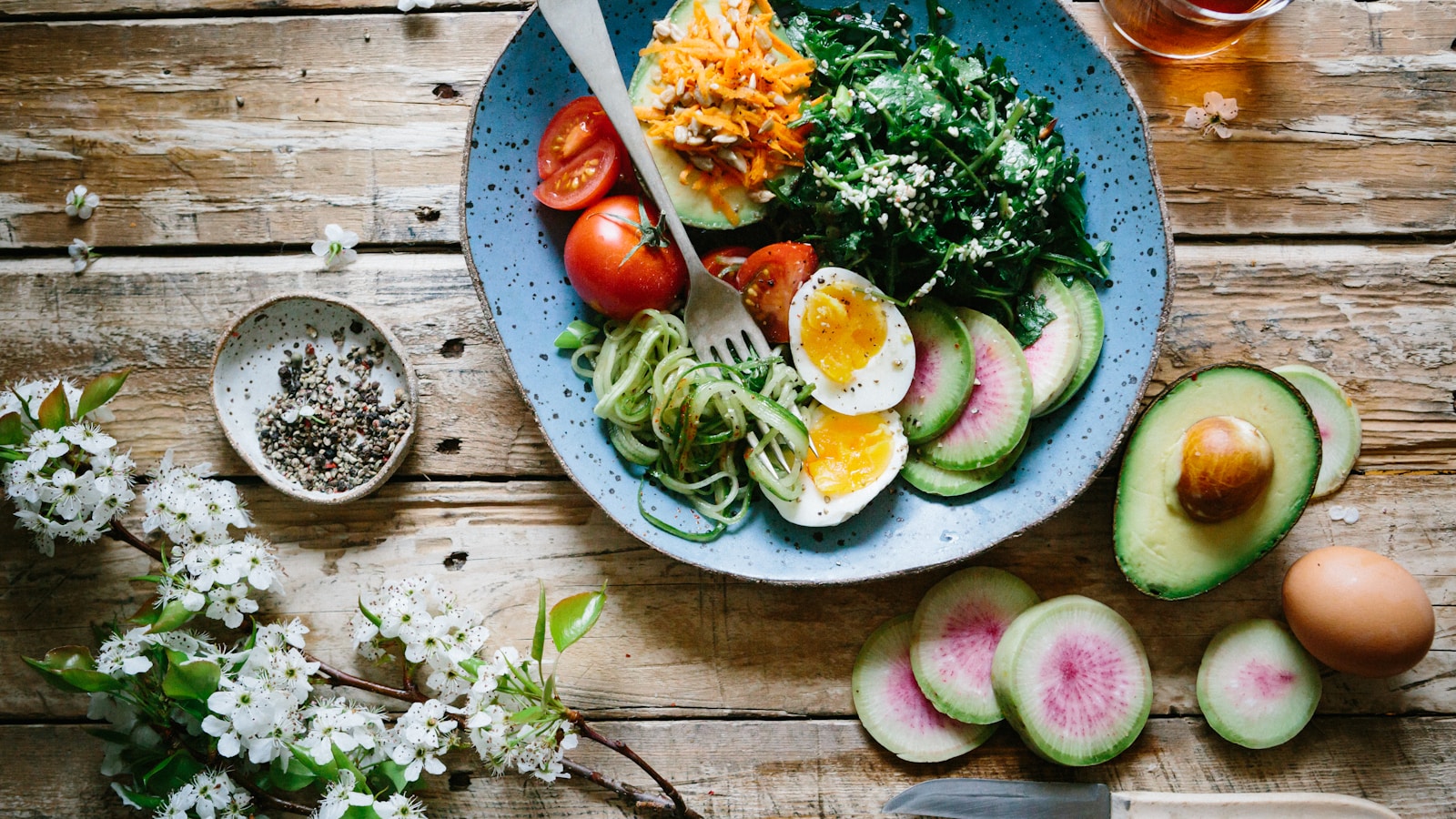
Most articles about how to eat healthy on a budget read like guilt trips. Cut every coffee. Brown-bag every lunch. Live on rice and lentils. None of that is sustainable, and most of it is not even necessary. Eating well on a budget in 2026 is mostly about understanding which foods give you the most nutrition per euro and using them as the spine of normal, satisfying meals — not about turning every dinner into a virtuous exercise.
The trade-off that runs every grocery shop
Health, cost, and convenience — pick two. Pre-made healthy foods are convenient and good for you, and expensive. Cheap convenience food is, well, both of those things, and your blood pressure pays the bill. The cheapest healthy options require some cooking. Accept that, plan for 30–45 minutes of kitchen time most days, and the rest gets manageable.
The grocery basket that does most of the work
Twenty items, in four categories, that form the spine of a budget-healthy kitchen:
Proteins (cheap and high-quality)
- Eggs — the world's cheapest complete protein. €3 for a dozen in most countries.
- Dried beans and lentils — €1–€2 a kilo, feeds a household for a week.
- Frozen chicken thighs — half the price of fresh, identical for cooking, no quality loss.
- Canned tuna or sardines — €1–€2 per tin, three meals' worth of protein.
- Tofu — €2 a block, surprisingly versatile once you treat it right (drain, press, season).
- Greek yoghurt or quark — high protein, breakfast and dessert.
Carbs (the right ones)
- Brown rice — €2 a kilo, 20+ servings.
- Oats — €1.50 for a kilo of porridge that lasts a fortnight.
- Wholemeal pasta — €1 a packet, four meals.
- Potatoes and sweet potatoes — among the cheapest filling foods on the planet.
- Wholemeal bread — frozen at peak freshness, defrosted slice-by-slice, lasts months.
Vegetables (cheap when in season, frozen otherwise)
- Onions, garlic, carrots, celery — the soup-base trinity, cheap year-round.
- Cabbage, kale, Swiss chard — pound for pound the cheapest dark leafy greens.
- Frozen broccoli, peas, spinach, mixed berries — flash-frozen at peak nutrient density. Often more nutritious than the wilting fresh version, and half the price.
- Cucumbers, tomatoes, peppers — buy in season; out of season, swap for cabbage and frozen.
- Bananas — the cheapest fruit per calorie, plus a handful of mushy ones for baking.
Fats and pantry
- Olive oil — splurge here. The cheap version tastes worse and oxidises faster. €8–€12 a litre buys real flavour.
- Salt, pepper, paprika, cumin, garlic powder, oregano — six spices cover 80% of cooking. Build slowly.
- Vinegar, mustard, soy sauce, hot sauce — flavour anchors that turn cheap ingredients into "I would order this in a restaurant."
- Peanut butter or tahini — calorie-dense, protein-rich, pairs with everything.
The five meals that earn their place every week
If you cook nothing else, these five rotate cheaply and well:
1. Lentil soup with vegetables
Dried lentils, onion, garlic, carrots, celery, tomato paste, broth, smoked paprika. Simmer 30 minutes. Add greens at the end. Six servings for under €4. Better leftovers than most restaurant soups.
2. Sheet-pan chicken thighs and roasted vegetables
Frozen chicken thighs, defrosted overnight. Two seasonal vegetables cubed. Olive oil, salt, paprika, garlic powder. 220°C for 30–40 minutes. Two dinners and a packed lunch from one tray.
3. Beans and rice (any variation)
Brown rice on the stove. Canned black beans heated with onion, cumin, and garlic. Top with whatever you have — yogurt, fresh tomato, herbs, hot sauce. €3 a dinner, full nutrition, never boring if you change the toppings.
4. Pasta with garlic, olive oil, and greens
Pasta in salted water. While it cooks: olive oil, sliced garlic, a pinch of chili in a pan. Add chopped frozen spinach, a splash of pasta water, the cooked pasta, and a generous grating of cheap hard cheese. €2 for two satisfying servings.
5. Fried-rice-style cleanup meal
Day-old rice, eggs, frozen peas, soy sauce, sesame oil if you have it. Fry everything in a hot pan. The "cleared the fridge" meal that uses up vegetables before they wilt. €1.50 a serving.
The supermarket habits that compound
- Plan three meals before you shop. Six is too many; one is not enough. Three covers most of the week with leftovers.
- Buy proteins on sale and freeze. Pork shoulders, chicken thighs, fish fillets — all freeze beautifully. Stock up when prices drop.
- Shop the perimeter first. Produce, meat, dairy, frozen — that is where most healthy food lives. The middle aisles are where money disappears on snacks and "convenience."
- Buy whole versions and process at home. A whole chicken is 30% cheaper than the equivalent in cuts. Pre-cut fruit is 2x the price of whole. The 10 minutes of prep is the cost.
- Read unit prices, not packet prices. The bigger packet is sometimes cheaper per kilo and sometimes a trap.
Where to spend a little more
Not everything should be the cheapest option. The places where slightly better quality genuinely matters:
- Olive oil for finishing. Cheap olive oil tastes flat. A small bottle of decent extra virgin transforms cheap salads.
- Eggs. Free-range or higher-welfare eggs cost €1–€2 more per dozen. Worth it on flavour and ethics.
- Fish. Cheap fish is usually farmed in conditions you would not want to read about. Less, but better, is the rule.
- One or two herbs and spices you use daily. Stale spices are flavourless. A fresh jar of paprika or cumin lasts a year and elevates everything.
What to skip without guilt
- "Superfoods" with €15-per-jar premiums. Almost all of the actual nutritional content is available from the cheap basket above.
- Bottled smoothies and juices. Sugar bombs at premium prices.
- Pre-mixed salad bags. Cost 4–6× per kilo of the same lettuce and spinach loose.
- Plant-based meat alternatives, on a budget. Often expensive and ultra-processed. Beans and lentils are the cheaper, healthier swap.
- Protein bars as a routine. Greek yoghurt, eggs, peanut butter on toast, leftover chicken — all cheaper, more filling, less processed.
The realistic budget
What it actually costs to feed one adult well in 2026:
- €40–€55 a week in most European cities, eating mostly home-cooked from the basket above.
- €60–€80 a week if you include occasional convenience items, alcohol, or eating out twice.
- €100+ a week in expensive cities (London, Paris, Zurich) for the same food, mainly because of rent eating into supermarket prices.
Compare to the average takeout-heavy lifestyle: €15–€25 per delivered meal × 5 = €75–€125 a week, plus the supermarket bill anyway. Cooking at home saves €40–€80 a week, easily.
Eating out without ruining the budget
Two rules:
- Lunch out is cheaper than dinner out. The same restaurant often has lunch deals 30–50% cheaper than dinner. If you genuinely want to eat out twice a week, swap one to lunch.
- Pick a "weekly treat" and protect it. One Friday-night meal you genuinely look forward to, eaten without guilt, beats five mediocre takeouts that you regret. Quality over frequency.
The mindset shift that makes it stick
Eating healthy on a budget is not about restriction. It is about competence. Once you can confidently turn a €4 bag of lentils into a soup the household actually likes, the supermarket stops being intimidating and the takeout app stops being a default. The first month is awkward; the second month feels normal; by the sixth month, the old way of eating looks vaguely impractical.
Bottom line
Eating healthy on a budget in 2026 is a stocked pantry, five reliable recipes, frozen vegetables, dried legumes, decent olive oil, and a willingness to spend 30–45 minutes a day in the kitchen. Skip the superfoods, the meal-replacement powders, and the €15 grocery-app subscriptions. Cook real meals. Pack one. Eat the leftovers. Three months in, you will be eating better than 80% of people your age while paying less than half what they spend.