
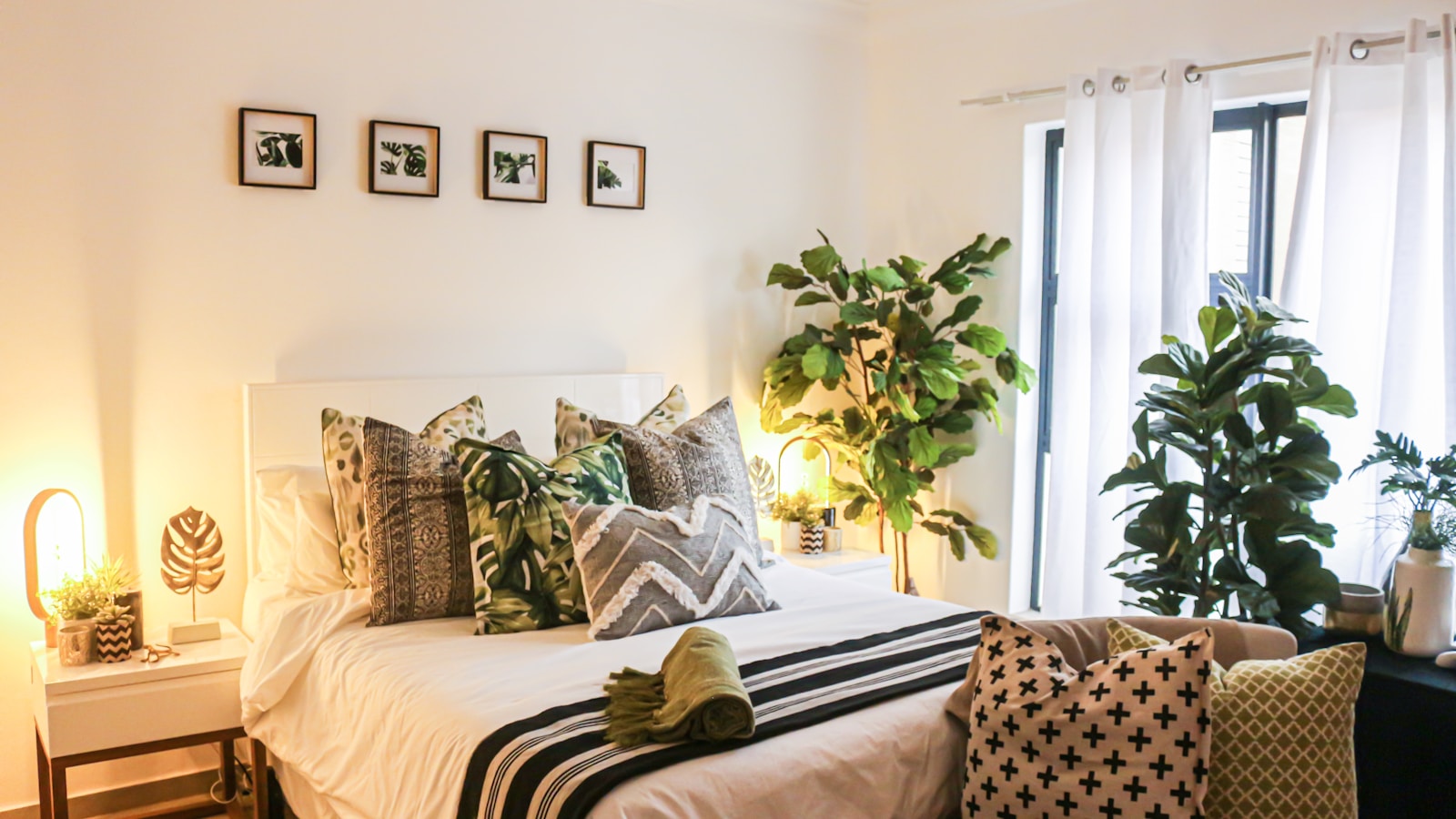
The honest version of how to improve sleep quality naturally in 2026 has not changed in twenty years. Most "sleep biohacking" content is selling a product. The actual science still points to a small set of behavioural and environmental changes that produce roughly 80% of the achievable improvement. Here is the version without the supplement upsells.
The five environmental fixes that matter most
1. The bedroom temperature
17–19°C (62–66°F) is the science-supported sweet spot. Most homes are too warm for optimal sleep. The body's core temperature drops as sleep deepens; if the room is too warm, the drop is harder to achieve. Open the window, lower the thermostat, use lighter bedding. The change is often dramatic.
2. Total darkness
Blackout curtains. Tape over LED indicators on chargers, routers, smoke detectors. Even small amounts of ambient light suppress melatonin. The first weekend with a properly dark bedroom often produces obvious improvement.
3. Phone out of the bedroom
The single biggest behavioural intervention. Buy a €15 alarm clock. Charge the phone in the kitchen. The "checking in bed" habit destroys sleep onset and produces middle-of-night wakings nobody connects to phone use until they stop.
4. Quiet (or controlled noise)
If you live somewhere noisy, white noise (a fan, a white-noise machine, or a free app) consistently outperforms trying to ignore the noise. The brain registers ambient noise even during sleep; masking it improves quality.
5. The bed is for sleep and sex only
Working from bed, scrolling from bed, watching TV from bed — all train the brain that bed = wakeful activity. Reverse this and falling asleep in bed becomes dramatically easier.
The daytime habits that fix night-time
Morning light, in the first hour
20 minutes outside, even on cloudy days, anchors the circadian clock. The body's evening melatonin release is largely a function of morning light exposure 14–16 hours earlier. Skip morning light = poorer night sleep, even with perfect evening hygiene.
Caffeine cut-off at noon
The half-life of caffeine is 5–7 hours. A 4 pm coffee is still 25% in your system at midnight. The "caffeine doesn't affect my sleep" claim is almost always wrong when you actually measure sleep architecture.
No alcohol within 3 hours of bed (and ideally less of it generally)
Alcohol shortens sleep onset but trashes sleep architecture — REM sleep drops, middle-of-night wakings spike, recovery is poor. Wine "to help me sleep" produces seven hours of poor sleep instead of seven hours of good sleep.
Daily movement
Walking, exercise, any consistent physical activity improves sleep depth. Heavy exercise within 90 minutes of bedtime can be activating; everything else helps. The relationship is well-replicated in the literature.
Real meals, not late-night snacking
Eating large meals within two hours of bedtime worsens sleep quality. Heavy fats and protein digest slowly and disrupt the cool-down phase the body needs. Lighter dinners, eaten earlier, sleep better.
The wind-down ritual
The 60–90 minutes before bed are the trigger window. Three habits that work:
- Dim lights. Overhead lights off. Lamps on at low brightness.
- A 5-minute "shutdown" — write tomorrow's three priorities on paper. Closes the open loops the brain is otherwise rehearsing at 1 am.
- Something analog — a book, a paper journal, a quiet conversation. Not a screen.
The body is biological — it needs the signal that wakeful mode is ending. The wind-down provides that signal reliably.
Common natural sleep aids — what works and what does not
Worth trying
- Magnesium glycinate (200–400 mg, 1 hour before bed). Mild but real effect for many. Worth a 4-week trial.
- Warm shower 60–90 minutes before bed. The post-shower cool-down accelerates the temperature drop the body wants for sleep.
- Chamomile tea, in the wind-down ritual. Mild calming effect; the ritual itself helps.
Mostly doesn't work (despite the marketing)
- "Sleep blends" with kava, valerian, ashwagandha, etc. Mixed evidence at best. If you must, try one supplement at a time so you know what is doing what.
- Melatonin in 5–10 mg doses. Useful for jet lag at 0.3–1 mg; the larger doses sold over-the-counter are marketing, not medicine.
- "Mouth taping," nasal-strip-everything. Useful in narrow cases (snoring, sinus issues); not the universal "biohack" the influencers pretend.
- Most "sleep tracking" data. Wearable estimates of sleep stages are imperfect. Useful for trends; harmful when obsessed over.
What to do when nothing works
Two-week reset:
- Same wake time every day, including weekends.
- Morning light exposure within 1 hour of waking.
- No caffeine after noon.
- Phone out of the bedroom.
- Bedroom cool, dark, quiet.
- No alcohol for two weeks.
- Wind-down ritual every evening.
If after two weeks of this protocol sleep is still poor, see a GP. Sleep apnoea is dramatically under-diagnosed (loud snoring + daytime fatigue + morning headaches = high probability). Persistent insomnia not responding to behavioural change deserves real medical evaluation.
The signs that point to medical issues
- Loud snoring with morning headaches.
- Witnessed pauses in breathing during sleep.
- Restless-leg sensations at night.
- Persistent middle-of-night wakings unrelated to obvious causes.
- Sleep that is technically long but consistently leaves you exhausted.
None of these are fixed by sleep tracking apps. They are fixed by sleep clinics.
Bottom line
Improving sleep quality naturally in 2026 is a cool, dark, quiet, phone-free bedroom; morning light; no caffeine after noon; less alcohol; a real wind-down; and the discipline of a consistent wake time. Skip the supplement aisle, the gadgets, the "sleep optimisation" content. Most "I can't sleep" complaints resolve within two weeks of these basics. The few that do not deserve real medical attention, not the next thing on the wellness shelf.