
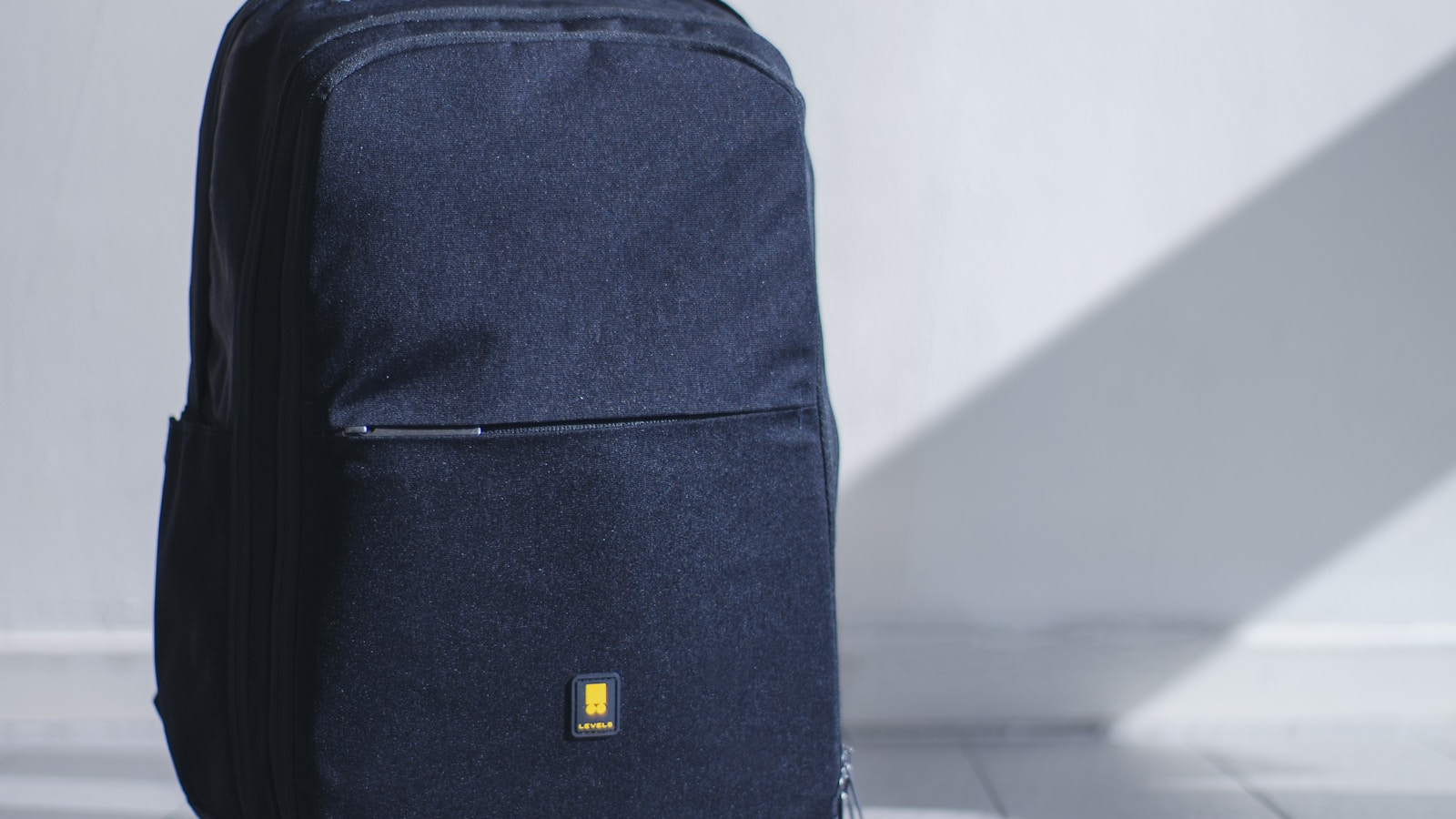
The myth about how to pack for a month in a carry-on is that it requires sacrifice. It does not. It requires picking the right small set of clothes and reasoning with yourself about what you actually wear day to day. After a year of trips ranging from a week in Iceland to four weeks across Southeast Asia, here is the working list — what fits, what gets used, and what gets cut every single time after the first two trips.
The principle that beats every packing list
Pack as if you'll be doing laundry once a week. Because you will. Hostels, hotels, Airbnbs, and self-service launderettes exist on every continent. The notion that you must bring 30 days of underwear is the single biggest reason carry-ons explode. Pack for 7–10 days; wash; repeat.
This rule alone shrinks your bag by 40%. Everything else below is fine-tuning.
The capsule wardrobe — what actually goes in
One reliable rotation for nearly any climate, give or take a layer:
- Tops: 4 t-shirts (1 dressy, 3 casual), 1 long-sleeve, 1 button-down for restaurants and meetings, 1 fleece or heavier layer.
- Bottoms: 2 pairs of trousers/jeans (one darker, dressier; one lighter, more practical), 1 pair of shorts if the climate calls for it.
- Underwear: 7 pairs of underwear, 7 pairs of socks. Merino wool socks are worth the cost — three pairs of merino wool out-perform six of cotton.
- Outerwear: 1 packable shell (waterproof, lightweight) — the most-used piece in any climate. Optionally a packable down vest for cold trips.
- Footwear: 1 pair of comfortable walking shoes you will live in (worn on the plane), 1 pair of flexible sandals/slip-ons, 1 pair of slightly dressier shoes if you genuinely need them. That's it.
- Pyjamas/lounge: a single set, doubles as exercise clothes if you do not work out hard.
This adds up to roughly 12–14 items plus the underwear and socks rotation. Everything fits in a packing cube the size of a hardback book.
The colour rule
Every top should work with every bottom. Three colours maximum across the whole wardrobe. Black, navy, and an earth tone (olive, beige, terracotta) is the cheat code. The "fits everything" packing photos you see online are not magic — they are colour discipline. The result is a wardrobe where you can dress with your eyes closed and still match.
Toiletries — the reality check
Most of what people pack in toiletries is irrational. Apply the rule: "Can I buy this at any pharmacy in the world?" If yes, do not pack it for a month. Buy it on day three.
Worth packing in advance
- Prescription medications (full duration, in original packaging, with the prescription).
- A favourite toothbrush.
- Any cosmetic / haircare you genuinely cannot find abroad.
- Sunscreen — the small tube. Replenish locally.
- One travel-size shampoo, conditioner, body wash to bridge the first 48 hours.
Buy on arrival
- Toothpaste, soap, deodorant, full-size shampoo.
- Razor.
- Most over-the-counter painkillers (paracetamol, ibuprofen — though buy a small starter pack at home in your dose to avoid label-translation panic).
Toiletries should fit in a single small dopp kit, half the size of what you think you need.
The tech that earns its weight
Some of the most over-packed travel items are electronics. The honest list:
- Laptop or iPad — yes, if you work or do real photo editing.
- Phone — obviously.
- One universal travel adapter — the small cube type, not the bulky multi-plug brick.
- One 65W USB-C charger for everything that charges over USB-C.
- One power bank, 10,000 mAh max — anything bigger fails in airline carry-on rules and rarely gets used.
- Wired earbuds as backup in addition to your wireless ones. Bluetooth fails on planes; cheap wired earbuds do not.
- One charging cable per device — no extras. They will last a month.
Skip: separate camera (your phone is fine for 90% of travel photos), Kindle if you barely read, hairdryer, travel iron.
Documents and money
- Passport with at least 6 months validity.
- Photocopy of your passport, kept separately. Or a photo of it on your phone.
- Two debit/credit cards from different banks. Separate physically — one in the wallet, one in the bag.
- €100–€200 in starter cash in the local currency.
- Travel insurance card / policy number, screenshotted offline.
- Driving licence if you might drive.
The packing method — flat-fold beats rolling for clothes that crease
The "rolling vs folding" debate is mostly silly. The honest version:
- Rolling: best for t-shirts, underwear, socks. Saves space, prevents crease lines.
- Flat-folding inside packing cubes: best for shirts, trousers, anything that wrinkles.
- Three packing cubes (small, medium, large) handle every separation: tops, bottoms, underwear/socks. Toiletries in a separate kit.
Compression cubes are worth their weight if you are tight on space. Vacuum bags are not — once you open them on the road, you cannot reseal them properly without a vacuum.
The checks before you zip the bag
- Have you packed pyjamas? They are the one thing the panic of leaving forgets.
- Are your liquids under 100 ml each, in a single transparent bag?
- Is your power bank in your carry-on (not checked) — required by airlines globally?
- Do you have one warm layer? Even tropical destinations have cold airports and cold buses.
- Did you take out the things you "might" need? "Might" almost always means "won't."
What never makes the cut after the first two trips
- "Just in case" formal wear. If you genuinely need a suit on the trip, pack for that — not "just in case."
- Travel pillow. Most people use them once and resent them on the second leg.
- Multiple jackets. One packable shell. Layer underneath.
- "Backup" shoes that you might wear out. You will not wear out shoes in a month.
- Books, plural. One book, one e-reader, or just your phone.
- A second day-bag inside the carry-on. One packable tote folds flat, replaces every "I might need a backpack."
The bag itself
Forty-litre carry-on backpacks (Cotopaxi Allpa, Tortuga, Osprey Farpoint, Peak Design Travel) are now the standard for adults travelling for a month. They open like a suitcase, fit airline cabin-bag dimensions globally, carry comfortably for short walks, and look professional enough for hotels. Wheeled carry-ons work fine too — pick whichever you will actually want to carry through a 30-minute walk in the rain.
Bottom line
Packing for a month in a carry-on is not about discipline or sacrifice. It is about trusting that you will do laundry, sticking to a three-colour wardrobe, buying toiletries on arrival, and resisting every "just in case" impulse. The lighter bag is a kindness to your future self, who will be the one carrying it up two flights of stairs at the third Airbnb. Once you have packed this way for a single trip, the old way of dragging a suitcase looks faintly absurd.