
The honest version of how to stay fit while traveling is uncomplicated. You do not need a hotel gym. You do not need to bring resistance bands. You do not need to fight 90 minutes of jet lag for a workout that drains your day. Five small habits — most of which you already know — handle 80% of fitness maintenance on the road. Here is the practical version.
The principle: maintain, not optimise
Travel is not the time to push for new fitness gains. It is the time to prevent regression. Three workouts a week, however brief, plus daily walking, plus reasonable food choices, keeps you within touching distance of your home baseline. That is success. The 90-minute hotel-gym session that ruins the rest of your travel day does not.
The five habits that hold the line
1. Walk everywhere
The cheapest, most reliable travel fitness practice. 8,000–12,000 steps a day during travel are easily achievable just by exploring on foot rather than taxi-ing. The compounding cardiovascular and weight-management effect is genuine.
Concrete habits:
- Skip the airport conveyor belt; walk to the gate.
- Walk to dinner unless distance is unreasonable.
- Skip cabs for distances under 25 minutes.
- One "exploring" walk a day at the destination.
2. The 15-minute hotel-room workout
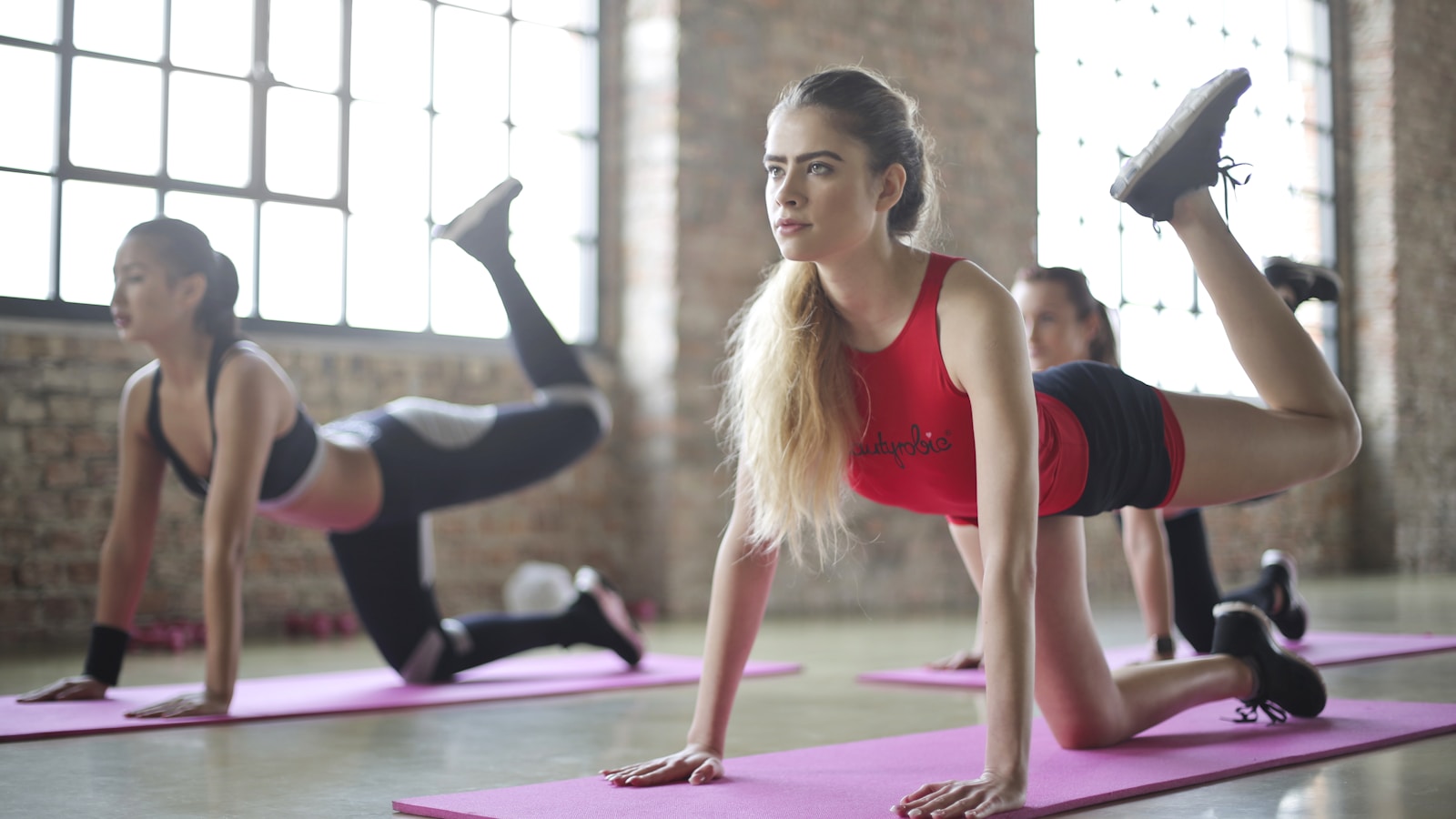
Three days a week, 15 minutes, no equipment. The minimum that maintains strength on the road:
- 5 minutes warm-up (jumping jacks, leg swings, arm circles).
- 3 rounds of: 10 push-ups, 15 squats, 10 lunges (5 per side), 30-second plank.
- Rest 60 seconds between rounds.
- 2 minutes stretch.
That fits in any hotel room, takes no special gear, requires no setup. Adapt for difficulty (knees push-ups, jump squats, longer planks). Three reps a week is enough to maintain.
3. Bring resistance bands (or do not, also fine)
If you genuinely use them, two heavy bands take up no space in a carry-on and add resistance for back rows, banded squats, and lateral work. If you would not use them, leave them home. Aspirational gear that travels unused is just weight.
4. Use the swimming pool if available
Swim 20 minutes if your hotel has a pool. Low impact, total-body, surprisingly aerobic. Especially good after long flights when the body is stiff and air-conditioned out.
5. The hotel gym, if it is good and accessible
Some hotel gyms are surprisingly well-equipped (especially in business hotels). 30 minutes is enough — 15 minutes of basic strength (squats, push-ups, dumbbell rows, planks), 15 minutes of cardio. Skip if the gym is empty-of-real-equipment, or if accessing it costs you 90 minutes of your day.
What to eat on the road
The default-good choices
- Hotel breakfast: eggs, fruit, plain yogurt, oatmeal. Skip the pastry buffet on most days.
- Lunch: something resembling a balanced plate — protein, vegetables, some carbs. Not a sandwich every day.
- Dinner: the meal you actually enjoy on the trip. Eat well; do not over-restrict.
- Hydration: water in cabin (cabin air dehydrates), water through the day, before alcohol.
The tactical choices that work
- Pack one or two protein bars for the days a real meal is impossible. Beats hangry decisions at airport food courts.
- Order grilled rather than fried when in doubt. Especially in restaurants where you cannot judge ingredients.
- One indulgent meal per day, not three. The "I'm on holiday so anything goes" approach for a three-week trip leaves you 4 kg heavier and three weeks behind on fitness.
- Skip the bar's bread basket reflexively. Hotel bread is rarely worth its calories.
Alcohol — the underestimated saboteur
Alcohol on travel inflates the cost on multiple fronts:
- Sleep quality drops.
- Workout next day suffers.
- Calories add up fast (one cocktail is 200–300 kcal).
- Decision quality the next day is worse, including food choices.
Not abstaining; just being honest about the cumulative effect. Two drinks a few nights a week is sustainable; six drinks every night is the reason most travelers come back heavier.
Jet lag and fitness
Jet-lagged workouts are usually worse than the same workout would have been at home. The body is in a different state. Two practical adjustments:
- Don't try to PR while jet lagged. Maintenance level only.
- A morning walk in real sunlight beats most "intense" workouts during jet lag for both energy and circadian-rhythm reasons.
Long flights and recovery
Sitting for 8+ hours stiffens everything. The recovery moves on landing day:
- Walk for 20+ minutes within the first hour at destination.
- 5 minutes of hip-mobility work in the hotel room (cat-cow, hip flexor stretch, glute bridges).
- Hydrate aggressively for 24 hours.
- Skip alcohol on landing day.
What to skip
- Aspirational gear you will not use — yoga mats, full sets of weights, foam rollers. The plan should fit your willingness, not your fantasy.
- Hour-long workouts that wreck the rest of the trip. Maintenance is the goal; heroics are not.
- "Fitness apps" that lock you into a 12-week plan you cannot adapt. Travel is variable; rigid plans break.
- Tracking macros while traveling. Theatre. The point of the trip is the trip.
The mindset that holds the line
- The trip is not the place to push fitness; it is the place to not regress.
- Consistency at 50% effort beats sporadic 100% effort.
- Walking counts. Bodyweight workouts count. Swims count. The metric is "moved today," not "destroyed yourself in a hotel gym today."
Bottom line
Staying fit while traveling in 2026 is walk everywhere, do a 15-minute bodyweight session three times a week, choose protein-and-vegetables defaults, drink less alcohol, and accept that maintenance is the win. Skip the heroic gym sessions and the aspirational gear. Most travel weight gain comes from passive choices (cabs, buffets, third drinks) — not from one missed workout. Reverse the passive defaults; the rest takes care of itself.