
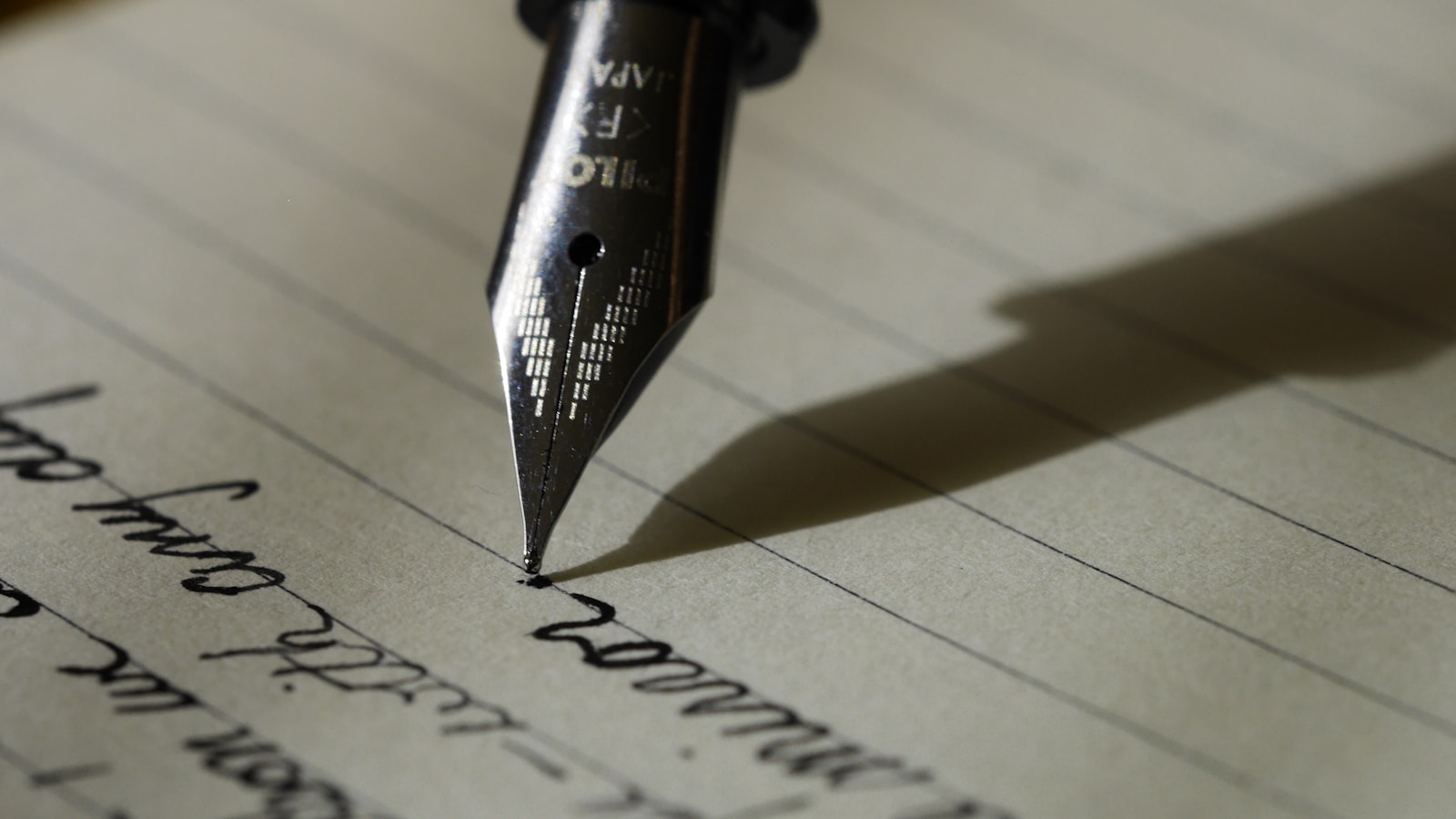
Most "better blog posts" advice in 2026 is either SEO-checklist drudgery or aspirational essays about voice and craft. The version that actually changes your output is unromantic: a clear structure, ruthless editing, a real angle, and the confidence to skip the AI-generated padding that has flooded the internet. Here is the practical version.
The structure that earns time
Almost every great non-fiction post follows the same shape:
- A specific opening that promises one thing.
- A short claim — your actual angle.
- The body — evidence, examples, structure.
- A concrete close — what to do, what changed, what to remember.
Length is a function of the topic, not a target. Most blog posts are 700–1,500 words; some warrant more. The structure scales.
The opening that earns the next click
You have three sentences to keep the reader. The patterns that work:
- The contradiction. "Most advice on X says Y. The honest version is Z."
- The specific moment. "Last Tuesday, I [did the thing]. Here is what I learned."
- The question with a sharp answer. "Is X worth it? In 2026, only if Y."
Avoid: long preambles, "in today's fast-paced world..." openers, three paragraphs of context before the actual point.
The angle nobody else has
The single hardest skill. The internet is saturated; the way to stand out is to write the version of the topic only you would write — your specific experience, your specific data, your specific opinion. Three habits:
- Read three or four existing pieces on your topic. Note what every one of them says. Your angle is whatever they all skip.
- Write the line that would get you in trouble. Not literally — but the honest take you have been softening. The honest version is usually the publishable version.
- Use specifics. Numbers, names, dates, prices. Specifics differentiate; generalities flatten.
The lines to cut
Almost every draft has 20–30% padding that needs to go. The five most common offenders:
- "In today's fast-paced world..." Cut.
- "As we all know..." If we all know it, why are you saying it?
- "It is important to note..." Just note it.
- "In conclusion..." The conclusion is what comes next; you do not need to announce it.
- "There are many ways to..." Skip; pick one and discuss it.
SEO without becoming SEO content
You do need to think about how the post will be found. You do not need to turn it into keyword soup.
- One target search phrase, used naturally in the title, the first paragraph, and one or two headings.
- A clear meta description (160 characters) that promises the post's value to a stranger scanning search results.
- Useful internal links to your other relevant posts.
- Useful external links — Google rewards posts that genuinely cite sources.
- Heading structure (H2, H3) that maps to actual sections, not keyword fragments.
Skip: keyword density tools, "SEO-optimised" templates, AI-generated outlines that read identically across the entire web.
The voice problem
Bland writing is not a content problem; it is a confidence problem. Three patterns that produce voice:
- Use "you" and "I" deliberately. Most stiff writing avoids both. Use them.
- Make claims, not surveys. "Reviews are mixed" is not writing; "the new pricing model is bad and here is why" is writing.
- Vary sentence length. Short. Then medium-length. Then occasionally a longer one that allows the idea to breathe and develop a bit before resolving.
AI-generated content in 2026
Three rules:
- Use AI for editing — tightening, rephrasing, structuring. Genuinely useful.
- Do not use AI to draft the entire post. The output is bland in a recognisable way; Google now de-ranks it; readers can spot it within a paragraph.
- The original angle has to come from you. AI averages; the value of your post is whatever the average misses.
The editing pass that lifts every post
Three passes, fast:
- Cut 20%. Specifically the first paragraph, the conclusion, every adverb, every "very" / "really" / "just."
- Replace passive with active. "Mistakes were made" → "I made mistakes."
- Read aloud. The places you stumble are the places to rewrite.
What to skip
- Listicles for the sake of listicles. "10 ways to..." when you have only three real ones is filler.
- Stock-photo-grade language — "elevate", "synergy", "leverage" as a verb.
- Hashtag-style closings on long-form posts.
- Self-congratulatory paragraphs about your "journey."
- Posts written for the algorithm. Algorithms change; posts written for actual humans age dramatically better.
The publication discipline
Three habits separate amateurs from people whose writing accumulates:
- Publish on a schedule. Weekly is ambitious; bi-weekly is solid; monthly is fine if every post is substantial.
- Publish on a domain you own. Don't build your archive on Substack/Medium without a personal domain pointing to it.
- Don't delete old posts. Even the embarrassing ones become teaching material in time.
Bottom line
Writing better blog posts in 2026 is one specific angle, a clear structure, ruthless editing, and the willingness to make claims rather than surveys. Skip the SEO templates, the AI-generated drafts, and the inflationary opening paragraphs. Use AI to edit, not to write. Publish consistently on a domain you own. The blog posts that compound over years are the ones that read like a real person actually wrote them — and there are fewer of those than ever, which is exactly why they win.