
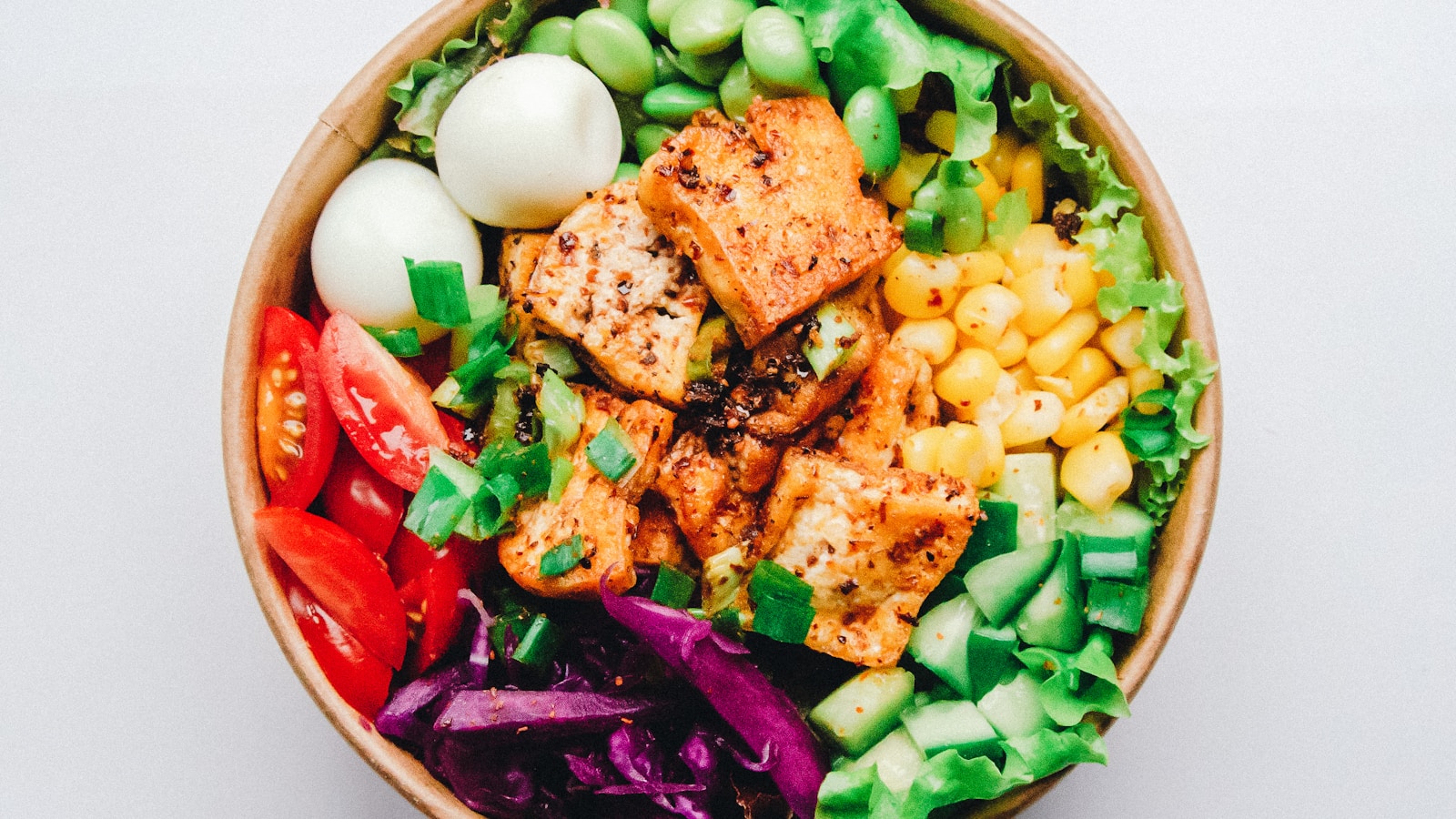
Most meal prep for busy professionals articles want you to spend Sunday afternoon cooking 14 identical chicken-and-rice containers, photograph them in a glass-stacked grid, and feel virtuous. That is not meal prep. That is performance art. Real meal prep is the small set of decisions and 60 minutes of cooking that buys you five evenings without thinking about food. Done right, you eat better than you would alone, you spend less, and your "what's for dinner?" panic attacks disappear.
The principle: prep components, not finished meals
The single mindset shift that saves meal prep from being a depressing wall of identical containers: cook components on Sunday and combine them through the week. One protein, one grain, one big tray of vegetables, one good sauce — and you can build five different dinners that do not feel like the same meal three times in a row. The Sunday work is the same; the weekday experience is dramatically better.
The five-component formula
One example loop. Adapt the specifics to your taste; keep the structure.
- One sheet-pan protein: 800g chicken thighs, salmon fillets, tofu, or chickpeas seasoned and roasted.
- One pot of grain: brown rice, farro, couscous, quinoa — whatever the household tolerates.
- One large tray of roasted vegetables: two seasonal vegetables, cubed, oil, salt, hot oven.
- One pile of fresh raw vegetables: a salad mix, a couple of tomatoes, a cucumber, an avocado for later in the week.
- One sauce: tahini-lemon, peanut-lime, herby yoghurt, miso-mayo. The single component that makes all the others not boring.
Cooked together, those components make: bowls, wraps, salads, grain plates, taco-style meals, even pasta with adjustments. Same Sunday work, five different dinners.
The actual one-hour Sunday workflow
Read this once and never time yourself again — most weeks it really is an hour, especially after the first three sessions:
Minute 0: oven on, water boiling
Preheat the oven to 220°C (425°F). Put the kettle on or start the rice cooker. The kitchen is about to get busy; everything that takes time should be running in parallel from the start.
Minutes 1–10: prep the protein and the roasting tray
Cut the protein, dump it on a sheet pan. Salt, oil, whatever spice mix you like (smoked paprika + garlic powder + cumin is a reliable default). Slide it in the oven on a top rack. Cube two vegetables (e.g., sweet potato + broccoli; cauliflower + zucchini), oil and salt them, slide them in on the bottom rack.
Minutes 11–25: cook the grain, make the sauce
Start the grain on the stove if not already in a rice cooker. While it boils, make the sauce. Sauces are 4–6 ingredients shaken in a jar — tahini-lemon = tahini, lemon juice, water, salt, garlic. Done in 90 seconds. Two jars of sauce in two flavours feels like a luxury and adds five minutes total.
Minutes 26–45: assembly and storage
The protein and the vegetables come out around the same time. Let them cool 10 minutes (vital — hot food in a sealed container produces soggy food the next day). Pack the grain into two containers, the protein into two, the vegetables into two. Salad components stay in the fridge raw and uncombined, dressed only at the moment of eating.
Minutes 46–60: dishes, label, done
Wash up. Stick a label on each container with the date. Realise it is genuinely been an hour and you are now done with cooking until Wednesday at the earliest.
Storage that actually survives the week
The boring infrastructure that determines whether meal prep stays a habit:
- Glass containers with separate lids beat plastic for taste, smell, and dishwasher tolerance. €40 for a starter set lasts five years.
- Pack salad components dry. Greens stay crisp for five days if stored on a paper towel inside the container. Once dressed, they are good for one meal.
- Sauces in small jars keep for up to two weeks in the fridge. Make double batches of the ones you love.
- Cooked grains in a separate container from anything wet. Reheat with a splash of water and they refresh.
- Roasted vegetables straight from the fridge are surprisingly good cold, especially in wraps. Save reheating effort for what genuinely needs it.
The five-day plan, decoded
Same components, five different meals — each constructed in 4–6 minutes from the prep:
- Monday — bowl. Grain + protein + roasted veg + sauce + a handful of greens on top.
- Tuesday — wrap. Wholewheat tortilla, sauce, protein, roasted veg, greens. 4-minute lunch or dinner.
- Wednesday — salad plate. Greens, tomatoes, cucumber, the protein, a scoop of grain on the side. Sauce as dressing. The lighter midweek meal.
- Thursday — fried-rice style. Quickly fry the grain in a pan with a bit of oil and an egg, then add chopped protein and veg from the fridge. 7 minutes. Tastes nothing like Monday.
- Friday — flatbread or pasta. Toast a flatbread, top with sauce, protein, and roasted veg. Or boil pasta, toss with sauce, top with protein. Use up the last of everything.
The mistakes that kill the habit
- Trying to prep seven days at once. By Friday, the food is questionable. Five days is the safe ceiling for most cooked components.
- Cooking five different recipes. Now it is a four-hour Sunday, and you skip it next week. One protein, one grain, one tray of veg.
- Forgetting the sauce. Without sauces, every meal tastes the same and the prep gets boring. The sauce is the personality of the week.
- Using only proteins you do not like. Roast chicken thighs because someone said they meal-prep well, hate them all week, never prep again. Cook what you actually want to eat.
- Skipping breakfast prep. If breakfast is a struggle for you, prep two big batches of overnight oats or a frittata at the same time. 10 extra minutes covers five mornings.
What to keep stocked permanently
The pantry that rescues you when prep does not happen:
- Dried pasta, rice, lentils.
- Canned tomatoes, chickpeas, black beans, tuna.
- Onions, garlic, olive oil, vinegar, salt.
- Frozen vegetables (peas, broccoli, spinach).
- Eggs.
- A few pieces of fresh fruit.
That pantry plus the sauces in your fridge means even on the worst week, dinner is 15 minutes away. Meal prep is the win condition; the stocked pantry is the safety net.
Bottom line
Meal prep for busy professionals in 2026 is one Sunday hour, five components, and a small library of sauces — not the elaborate Sunday productions that make great photos and unsustainable habits. Build the loop, run it for three weeks, and you will eat better, save €30–€60 a week on takeout, and reclaim the 90 minutes a day most people spend deciding what to eat. The reward for being slightly organised on Sunday is being completely free of food stress until Friday night.