
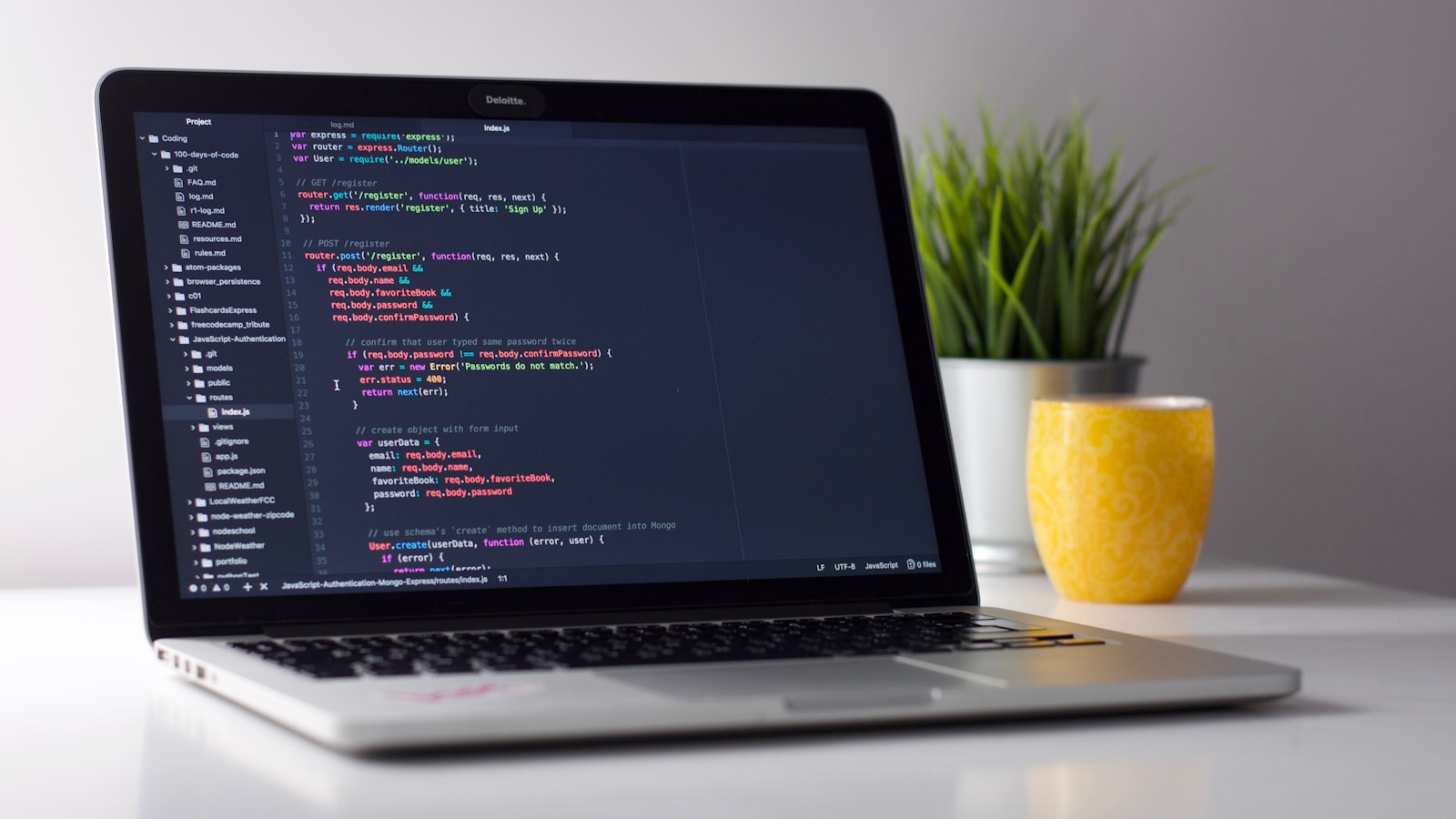
Picking the right programming languages to learn in 2026 matters more than ever. AI-assisted coding has changed what is profitable to learn: languages that pair well with strong type systems, that pay premium in the job market, or that lock you into long-lived ecosystems. Here is the honest top 10, ranked by a mix of job demand, salary, learning curve and long-term survivability.
1. Python — still the safest first language
Python remains the easiest mainstream language to read, with massive libraries for data science, AI, web (FastAPI, Django), automation and scripting. Almost every AI/ML team uses it. Junior data and ML roles default to Python.
Best for: data, AI, scripting, beginners.
Average salary (2026): €55K to €110K depending on region.
2. TypeScript — the default of modern web
TypeScript took JavaScript's market and added the type safety that makes large codebases survivable. React, Next.js, Vue, Svelte, Node and Bun all assume TypeScript-first. If you do anything web-related, learn TypeScript before plain JavaScript.
Best for: frontend, full-stack, serverless, edge.
Average salary: €60K to €120K.
3. Rust — the language enterprises are quietly betting on
Rust has graduated from "exciting" to "shipped in production by Microsoft, AWS, Cloudflare, Discord, Mozilla". Its memory safety story is a regulatory and security advantage governments now mandate for new infrastructure. Steep curve, premium pay.
Best for: systems, infrastructure, performance-critical services.
Average salary: €80K to €160K.
4. Go — boring, fast, everywhere in cloud
Go is the language of Kubernetes, Docker, Terraform, Caddy and most modern cloud tooling. Tiny syntax, fast compile, strong concurrency. Easy to read, easy to maintain, easy to hire for.
Best for: cloud services, DevOps tooling, APIs.
Average salary: €70K to €140K.
5. Java — quietly responsible for half the world
Modern Java (21, 23) is far better than its reputation. Banking, insurance, e-commerce, government and many large SaaS platforms run on it. Lots of jobs, lots of mature tooling, very stable career path. Spring Boot is still the dominant framework.
Best for: enterprise backend, fintech, large platforms.
Average salary: €60K to €120K.
6. C# — the underrated full-stack workhorse
.NET 8+ runs on Linux, ships fast and is the second most-used backend language at large enterprises. Unity uses C# for game dev, and Blazor lets you write web frontends in C#. If your region has a strong .NET ecosystem (Germany, Nordics, US Midwest), C# pays as well as Java.
Best for: enterprise, games, Windows-heavy environments.
Average salary: €55K to €115K.
7. Kotlin — the modern JVM and Android default
Kotlin is the official Android language, runs on the JVM and is loved by developers. Spring Boot supports Kotlin first-class. If your goal is mobile or Android-heavy backends, Kotlin is the right call.
Best for: Android, mobile-first backends.
Average salary: €60K to €120K.
8. Swift — pick if Apple is your customer
If you build iOS, iPadOS, visionOS or macOS apps, Swift is the only path that respects Apple's roadmap. SwiftUI in 2026 is finally good. The job market is concentrated but well paid, and indie iOS dev is a rare niche where solo developers still earn well from the App Store.
Best for: Apple platforms, indie apps.
Average salary: €65K to €130K.
9. PHP — yes, still
WordPress runs ~43% of the web. Laravel powers a huge share of SaaS startups and SMB tooling. PHP 8+ is fast and modern. Large markets in Europe and Latin America. Underrated career choice for full-stack developers who want to ship fast.
Best for: CMS, SaaS, agencies, e-commerce.
Average salary: €45K to €95K.
10. SQL — the language that quietly dominates every other language
You cannot work in software without SQL. Postgres, MySQL, SQLite, BigQuery, Snowflake, DuckDB — all SQL dialects. Strong SQL is what separates competent backend engineers from juniors. It is also the highest-leverage skill in data and analytics roles.
Best for: every backend, analytics, data engineering.
Average salary uplift: 10 to 20% on top of any backend role.
Honourable mentions
- Elixir / Phoenix: small market, very high productivity. If you can find a job, you will love it.
- Zig: rising as a Rust competitor for low-level work, still early.
- Solidity: for blockchain. Niche and volatile market.
- R: only if you are in research or biostatistics.
- Bash: not a career but a force multiplier — learn it.
Which language should I learn first?
- Total beginner: Python.
- Want to build websites: TypeScript with React or Next.js.
- Want to do AI: Python.
- Want a high-paying systems job: Rust or Go.
- Want stable enterprise work: Java or C#.
- Want to build iOS apps: Swift.
- Want to ship products fast solo: TypeScript + a backend in PHP or Python.
How long until I am hireable?
For a focused beginner with 10 to 15 hours per week of structured learning and projects: 6 to 12 months to junior-ready in Python, TypeScript or Go. 12 to 18 months for Rust, Java or C# at a junior level due to the size of the ecosystem. Stop chasing certificates — recruiters care about projects on GitHub, real problems solved and a clean portfolio site.
Stack pairings that work
- SaaS startup: TypeScript + Next.js + a backend in TypeScript (NestJS) or Python (FastAPI).
- AI product: Python (model + agents) + TypeScript (UI) + Rust (perf-critical inference).
- Enterprise: Java/Spring or C#/.NET + Angular or React.
- Mobile + backend: Swift or Kotlin + Go or Node.
What about AI replacing developers?
AI is replacing typing, not thinking. Demand for engineers who can architect systems, debug across stacks and ship features end-to-end has gone up, not down. The languages that win in 2026 reward developers who write less code but ship better systems. Pick something you will actually use, build real things with it, and let the market follow.