
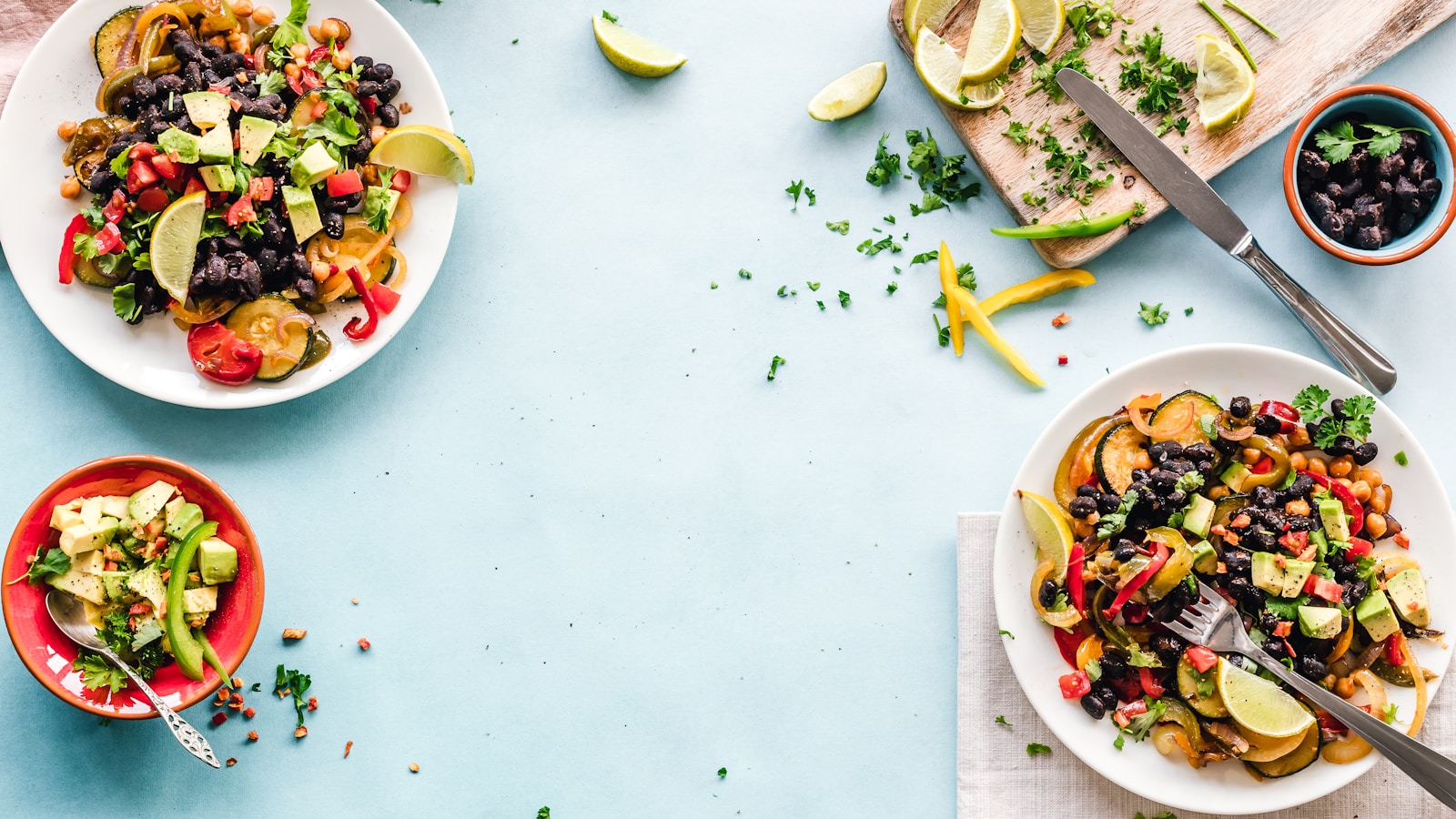
The actual Mediterranean diet bears almost no resemblance to the aesthetic bowls Instagram associates with the name. It is not "olive oil + quinoa + a hashtag." It is a 2,000-year-old eating pattern from southern Europe that is now the most-validated dietary pattern in the medical literature for cardiovascular health, metabolic health, and longevity. Here is the version that fits real cooking, real budgets, and real weeknights.
What the Mediterranean diet actually is
Strip away the marketing. The pattern that the research consistently associates with health benefits:
- Vegetables and fruits at every meal.
- Legumes and whole grains as common staples.
- Olive oil as the primary fat.
- Fish and seafood multiple times per week.
- Eggs, dairy (mostly cheese and yoghurt), and poultry in moderate amounts.
- Red meat sparingly.
- Wine in moderation, with meals.
- Minimal ultra-processed food and sugar.
That is the core. Not exotic; not expensive; not aesthetic. Real southern European cooking, applied weekly.
The 10 dishes that earn permanent rotation
1. Lentil soup with vegetables
Onion, garlic, carrots, celery, canned tomatoes, dried lentils, broth, herbs. 30 minutes. Six servings. The textbook Mediterranean weeknight.
2. Pan-seared salmon with greens
Salmon fillet, salt, pepper, hot pan with olive oil. Sauté kale or spinach in the same pan with garlic. Lemon. Done in 12 minutes.
3. Chickpea-tomato stew (Greek-style)
Onion + olive oil + canned tomatoes + chickpeas + oregano + feta on top. Bread for dipping. 20 minutes.
4. Pasta e ceci (Italian chickpea pasta)
Olive oil, garlic, canned chickpeas, broth, small pasta. Simmer. Top with parmesan and a glug of olive oil. 25 minutes.
5. Spanish tortilla (potato omelette)
Eggs, sliced potatoes, onion, salt, olive oil. Slow-cooked frittata. Endless variations. Cold or warm.
6. Roasted vegetables with farro
Two seasonal vegetables, olive oil, salt, 220°C oven 30 minutes. Cook farro alongside. Toss together with lemon and herbs.
7. Grilled fish with white-bean salad
Any white fish (cod, hake, sea bass), grilled or pan-seared. Cannellini beans tossed with olive oil, lemon, parsley, red onion.
8. Greek salad as an actual meal
Cucumber, tomato, red onion, olives, feta, olive oil, oregano. With bread, this is dinner. Skip the lettuce — that is the American version.
9. Shakshuka
Eggs poached in spiced tomato sauce. Bread for dipping. 20 minutes; brunch or weeknight.
10. Tabbouleh + grilled chicken
Bulgur, masses of parsley and mint, lemon, tomato, cucumber. Grilled chicken on the side. The Levantine version of a Mediterranean lunch.
Where most adaptations get it wrong
The "Mediterranean bowl"
Quinoa + olive oil + chickpeas + a tiny piece of feta + sun-dried tomato is American invention; not actually Mediterranean. Real Mediterranean cooking has structure — a course of soup, then fish, then a salad, then fruit. Not a single bowl-of-everything.
Olive oil in tiny quantities
The diet is not low-fat. Real Mediterranean cooks pour olive oil generously — over salads, on bread, into pasta water. The fat is the carrier of flavour and a major source of calories. The "drizzle" approach misses the point.
Treating wine as required
Some Mediterranean cultures drink with meals; many do not. Wine in moderation is fine if it fits your life; it is not a prerequisite for the diet's benefits. The American discussion often over-emphasises the wine angle.
Skipping the legumes
Lentils, chickpeas, white beans, fava beans appear several times a week in real Mediterranean cooking. Many "healthy Mediterranean" American adaptations centre on grilled chicken and a salad while skipping the protein workhorse of the actual diet.
Adding protein powder, fancy oils, supplements
The Mediterranean diet works because of what is on the plate over decades — not because of any single component. Adding "MCT oil" or protein powder to a Greek salad is not Mediterranean; it is American wellness fashion in a costume.
The shopping list that supports the pattern
- Olive oil (a quality one for finishing; a cheaper one for cooking — though one good bottle handles both fine).
- Onions, garlic, lemons.
- Canned tomatoes, chickpeas, white beans, lentils.
- Pasta (short and long), bulgur, farro, brown rice.
- Greek yoghurt, feta or local cheese.
- Eggs.
- Two pieces of fish or seafood per week (frozen is fine).
- Seasonal vegetables and fruit, generously.
- Fresh herbs (parsley, oregano, mint).
- Red wine vinegar, balsamic, honey, mustard.
The realistic budget
The Mediterranean diet is among the most cost-efficient healthy diets in the world. Beans and lentils, seasonal vegetables, eggs, pasta — most of the staples are cheap. Fish is the costliest ingredient; even there, frozen options keep costs down.
Average weekly grocery cost for a single adult eating this way in 2026: €40–€60. About the same or slightly less than the average non-Mediterranean diet, while delivering dramatically better nutritional outcomes.
The benefits that the research supports
- Lower cardiovascular disease risk (consistent across decades of studies).
- Lower diabetes risk.
- Lower cognitive decline rates.
- Modest but consistent associations with longevity.
- Better mental health outcomes in some studies.
None of this means individual benefits in any individual case; statistical patterns over populations are what these studies show. But the evidence base is among the strongest in nutrition.
Bottom line
The best Mediterranean diet meals in 2026 are real southern European cooking — lentil soup, pan-seared fish with greens, Spanish tortilla, pasta e ceci, Greek salad, shakshuka — not aesthetic bowls of quinoa and chickpeas. Olive oil generously, legumes weekly, fish twice a week, vegetables at every meal, minimal processed food. Skip the Instagram adaptations; cook the real thing for two months and you will eat better, feel better, and spend roughly the same as you did before.