
Most smart home devices sold in 2026 are still solutions in search of problems. Many spend their lives unplugged after the first month because they were always more theatrical than useful. The minority that earn their place are the ones that quietly remove a small daily friction without demanding attention. Here is the short list of smart home devices that are actually useful — and the ones to skip even when they are on sale.
The four genuinely useful categories
1. Smart lighting (the right way)
Smart bulbs everywhere, controlled by phone apps, are a misuse of the technology. The good version:
- One smart switch on the most-used overhead light per room.
- One bias light or ambient strip (Govee, Philips Hue) for evening mood lighting.
- Schedules: lights soften and dim at sunset, off at bedtime, gentle morning ramp.
The point is not "I can change colours from the bus." The point is automated, ambient, gentle illumination that reduces blue-light exposure in the evening without you thinking about it. Recommended: Philips Hue (mature, expensive), IKEA Tradfri (cheap, good enough), Lutron Caseta (the best switches), Aqara (Matter-compatible, good value).
2. Smart thermostat
Not just for the energy savings, but for comfort: the house gently warms before you wake, cools before you sleep, drops while you are out. Two solid picks:
- Ecobee. Genuinely useful sensors for multi-room balancing.
- Nest Learning. Polished UI, slightly less flexible.
Skip if your home has limited heating zoning — the savings are smaller and the gimmicks are not worth it.
3. Smart locks (with caveats)
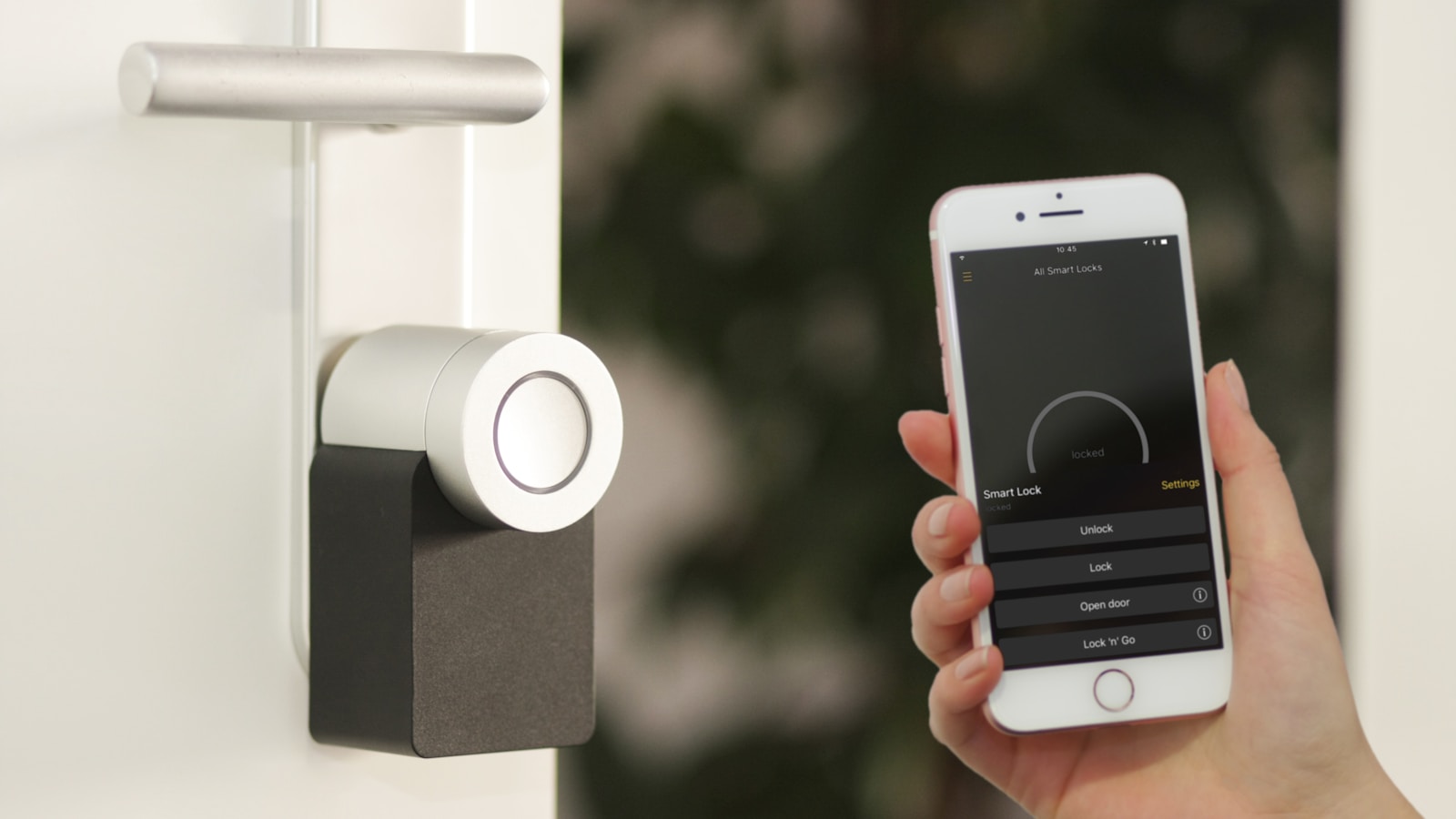
Good if you frequently let in cleaners, dog walkers, family members; not necessary otherwise. The right picks:
- Yale Assure 2 / August Wi-Fi Smart Lock. Polished apps, decent battery life, multiple unlock methods.
- SwitchBot Lock 2 if you rent and cannot replace the lock — a clever motorised retrofit on the inside.
Always keep a physical key. The battery will die at the worst time.
4. Smart vacuums (the good ones, not the bad ones)
The category quietly improved enormously between 2022 and 2026. Modern flagships actually clean and self-empty:
- Roborock S8 Pro Ultra / S8 MaxV Ultra. Top of the heap. Vacuums and mops, self-empties, self-washes the mop.
- Ecovacs Deebot X2 Omni. Comparable to Roborock; choose by app preference.
Skip robot vacuums under €300; they get stuck, miss spots, and frustrate you within a month.
The "actually useful" smaller items
Smart plugs (selectively)
Two or three around the house, set on schedules — for bedside lamps, holiday lights, the always-on-but-shouldn't-be devices. Skip "smart plug for every appliance" — most appliances are fine without them.
Leak detectors
The single highest-value smart device per dollar. €15–€30 sensors under sinks, behind the washing machine, near the water heater. Pings your phone if anything wet appears. Has saved many homes from €10,000 floods.
Doorbell camera
Useful, with privacy caveats. Picks: Aqara G4, Ring (familiar), Nest Doorbell (best image quality), or self-hosted via Reolink + Home Assistant for the privacy-conscious. Avoid pure cloud-only models if you can.
Air-quality monitor
Particularly useful if you cook a lot, have allergies, or live in cities with seasonal pollution. Awair, AirGradient, or IKEA Vindstyrka. The data alone changes behaviour — you will discover your bedroom has high CO₂ at night and start cracking the window.
What to skip
- Smart fridge. The ice-maker breaks; the screen becomes obsolete; you regret the €1,000 premium.
- Smart toaster, smart kettle, smart microwave. Theatrical solutions to non-problems.
- Smart cat litter box (with cameras). The privacy implications alone deserve a pause.
- Standalone smart speakers as primary commands. The voice-assistant story has not progressed since 2020. Use them as glorified speakers if at all.
- "Smart" baby monitors with cloud-only video. If you care about your child's privacy, choose local-only options.
The privacy and Matter situation in 2026
Smart-home privacy has improved meaningfully in 2026:
- Matter — the cross-vendor standard finally works for most lighting, sensors, plugs, and locks. Devices that support Matter can be controlled by Apple Home, Google Home, Amazon, or open-source Home Assistant.
- Local control via Home Assistant or Apple HomeKit removes the cloud dependency for many devices. Your lights work even if the manufacturer goes out of business.
- Avoid cloud-only devices from small companies. The "smart bulb that bricks when the company pivots" is a real, recurring story.
The starter setup
If you are starting from zero, this is the order I would build:
- One smart switch on the main living-room or bedroom light.
- Two leak detectors (kitchen + bathroom).
- A decent smart thermostat.
- One robot vacuum if you have a layout that suits it.
- An air-quality monitor if relevant to your situation.
That is enough. Anything beyond this should solve a specific problem you have, not just be added because it is on sale.
Bottom line
The best smart home devices in 2026 are the boring ones — automated lighting, a smart thermostat, leak detectors, a good robot vacuum. The flashy categories (smart fridges, voice-controlled-everything, RGB-controlled toasters) still mostly fail to earn their place. Build slowly, choose Matter-compatible local-control devices when possible, and treat each new device as a question: "what specific friction does this remove from my week?" If the answer is none, skip it.